
G.S. Sardesai Fellowship for History of Indian Archives (GSFHIA)
Govind Sakharam Sardesai (1865–1959) stands as one of India’s most meticulous historians and pioneering archivists. At the invitation of Sir Jadunath Sarkar, he undertook the monumental task of examining the Peshwa daftar – the vast administrative and personal records of the Maratha Peshwas, meticulously sorting, editing, and publishing thousands of documents. His work laid the foundation for serious archival historiography in India.
FIHCR honours this legacy through the G.S. Sardesai Fellowship, dedicated not merely to historical writing, but to strengthening the very foundations of history, the sources themselves.
Batch 1 (2026-27)
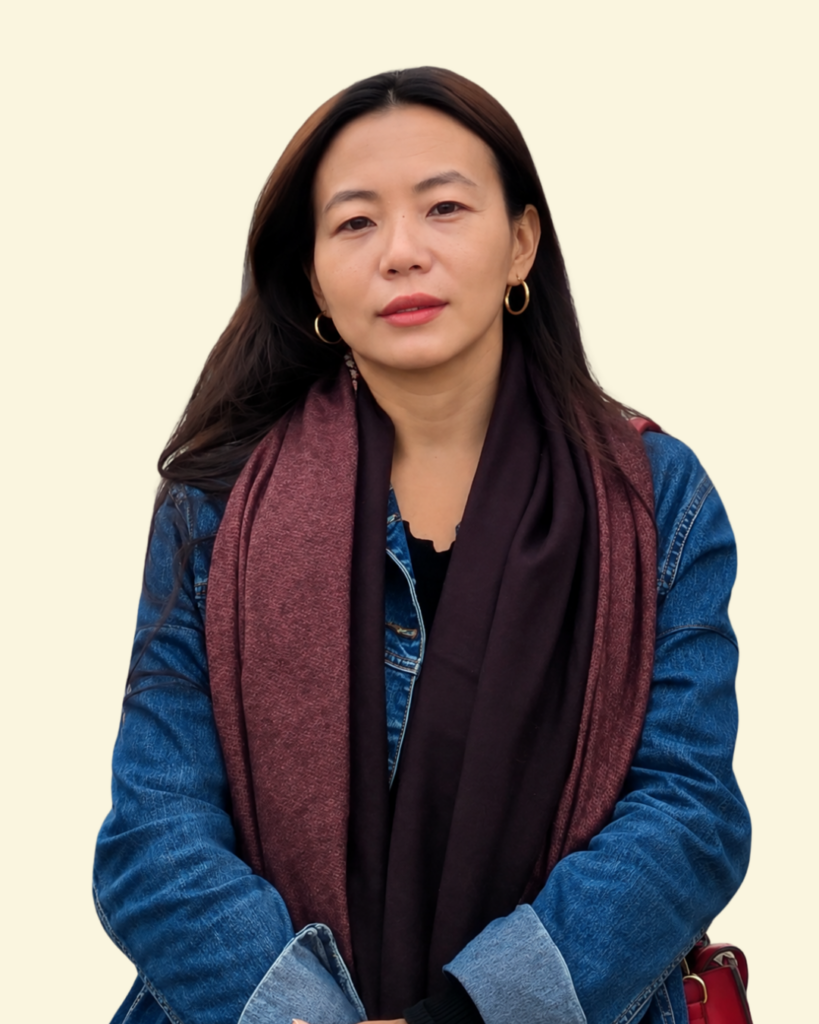
Dr. Amo Konyak
Research Title: The Afterlife of Photographs: Archiving Colonial Photographs of the Konyak Nagas of North-East India
Dr. Amo Konyak holds a PhD in Social and Cultural Anthropology from North-Eastern Hill University, Shillong. Her research focuses on Konyak Naga material culture, indigenous knowledge systems, cultural memory, gender, and the documentation and preservation of indigenous heritage. She served as Co-researcher for the book project Konyak Pulang Ow Hei Leng: Konyak Naga Traditional Attire (2025), published by the Nagaland Handloom and Handicrafts Development Corporation Limited, contributing to fieldwork, data collection, analysis, and documentation of Konyak traditional attire and ornaments. She received the Zubaan Publishers Research Grant for Young Researchers from the Northeast (2024–25) for her project on the last generation of tattooed Konyak women. She is also a recipient of the Creature Conserve Scholarship (2025) and the Samvaad Fellowship (2025), which support research on Konyak cultural memory, conservation, and weaving traditions of Konyak Naga tools. Her work emphasises community-based research and the documentation of indigenous cultural heritage.
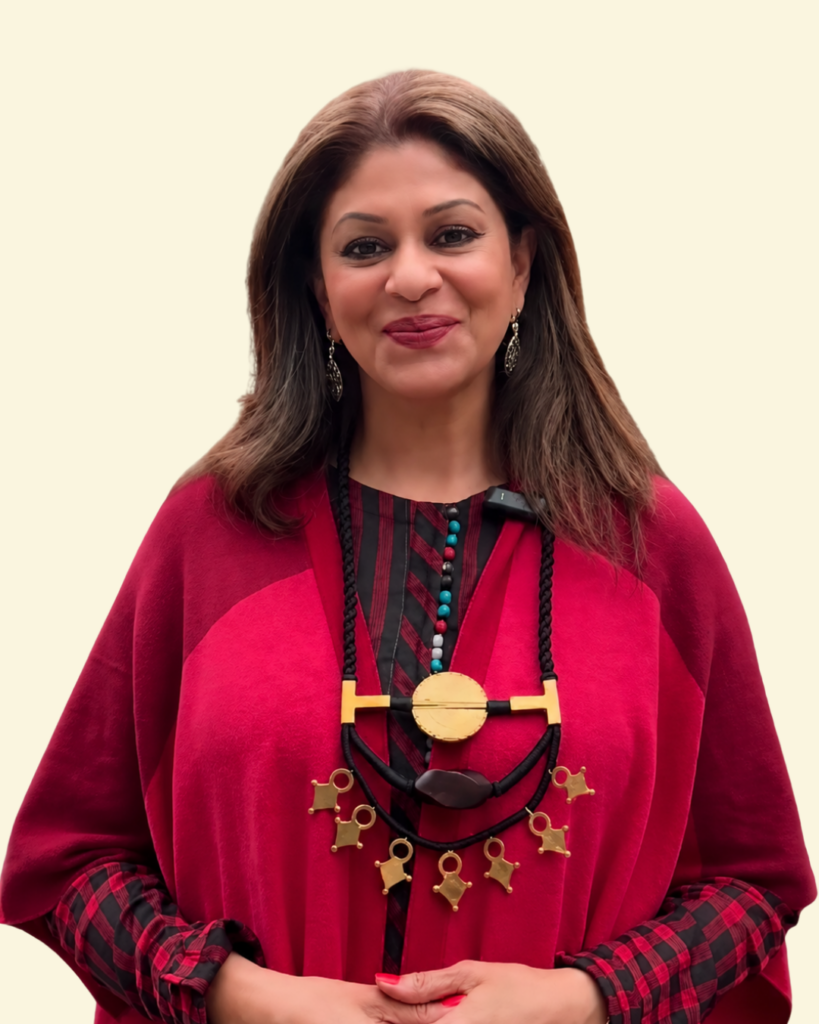
Ms. Madhu Nataraj
Research Title: Archiving the Ephemeral - Dance, Memory and Historical Continuum
Madhu Nataraj is an award-winning choreographer, arts entrepreneur and educator. She has created over 100 choreographies and has performed, spoken and designed arts experiences across the globe. She leads the globally acclaimed STEM Dance Kampni and India’s premier dance education centre, the Natya Institute of Kathak & Choreography, encompassing training, performance, research, documentation and outreach.
Trained in Kathak by her mother, legendary Guru Dr Maya Rao, and Guru Chitra Venugopal, Madhu’s practice is rooted in tradition while constantly engaging with contemporary ideas, interdisciplinary enquiry and new vocabularies of movement.
Her commitment to research, archiving and artistic perpetuity seeks to ensure that knowledge is not merely preserved but continually reimagined and transmitted to future generations.
Her honours include the Bismillah Khan Yuva Puraskar, Karnataka Kalashree, FICCI Women Achievers Award and recognition among India Today’s 50 Young Achievers. An Aspen Global Leadership Network Fellow, Madhu envisions the public domain transformed through the expressive, healing and regenerative power of movement arts.
OBJECTIVES
The G.S. Sardesai Fellowship for History of Indian Archives (GSFHIA) supports scholars, researchers, and writers undertaking a one-year, fully funded project focused on archival research.
Unlike conventional fellowships, this programme prioritises the source base itself – encouraging scholars to recover, analyse, edit, and publish archival materials that remain underexplored.
Our objective is to:
- Strengthen India’s archival foundations
- Encourage discovery of lesser-known archives
- Enable the creation of documentary resources for future historians
- Support rigorous, evidence-based archival scholarship
WHY THIS FELLOWSHIP IS UNIQUE?
- Archive-Centred Research:
Focuses on archives as subjects of study, not just sources.
- Building Source Infrastructure:
Encourages catalogues, translations, edited volumes, and document compilations.
- Beyond Narrative History:
Moves from interpretation to foundation-building.
- Funding & Support:
₹15 lakh grant covering research, travel, and documentation work.
FELLOWSHIP THEMES & SCOPE
This fellowship supports projects centred on:
- Histories of specific archives
- Document collections and edited volumes
- Translation and annotation of primary materials
- Archival cataloguing and documentation
- Institutional histories of record-keeping traditions
Scope of Work Includes:
- Archival discovery and documentation
- Compilation of primary sources
- Contextual historical analysis
- Creation of research-ready materials
All projects must be grounded in primary archival engagement.
IMPORTANT DATES (BATCH 2026-27)
- Applications Opening: 19 April 2026
- Closing Date for Submission of Proposals: 10 May 2026
- Commencement of the Fellowship: 1 September 2026
ELIGIBILITY
The Fellowship is open to:
- Independent scholars
- Archivists and researchers
- Authors and historians
- Academics and PhD candidates (if the project is independent)
Applicants must:
- Be Indian citizens or Persons of Indian Origin (PIO)
- Demonstrate archival research capability
- Propose a feasible one-year project
- Commit to producing a book-length manuscript
SELECTION PROCESS
Applications will be evaluated on:
- Originality of archival focus
- Strength of methodology
- Depth of primary source engagement
- Feasibility within one year
- Contribution to India’s archival ecosystem
MENTORSHIP & ECOSYSTEM SUPPORT
- Editorial guidance
- Archival research support
- Peer cohort engagement
- Workshops and sessions
- Publication guidance
- Public presentation opportunities
FELLOWSHIP COMMUNITY
GSFHIA fellows will join a network of researchers committed to strengthening India’s archival base.
The programme aims to build a long-term ecosystem of source creators, not just interpreters.
FREQUENTLY ASKED QUESTIONS
Who is eligible to apply?
Indian citizens and Persons of Indian Origin with a demonstrated background in archival research or related humanities disciplines. This includes independent scholars, early- and mid-career researchers, authors, and PhD candidates (if the fellowship project is distinct from their thesis).
What are the themes covered under this fellowship?
This fellowship supports projects centred on:
- Histories of specific archives
- Document collections and edited volumes
- Translation and annotation of primary materials
- Archival cataloguing and documentation
- Institutional histories of record-keeping traditions
How much is the fellowship grant, and how is it disbursed?
The fellowship provides ₹15 lakh over one year. Disbursement is tied to milestone completion. Fellows have flexibility in allocating funds for research travel, archival fees, living expenses, equipment, and other project needs.
How long is the fellowship?
One year (12 months), beginning in September 2026 for Batch-1.
Can I apply if I already hold another fellowship or a full-time academic position?
Full-time academics can be applicants provided they commit fully to the requirements of the fellowship. Those who hold another fellowship cannot apply until they have completed their engagement or left it. We do not encourage a dual fellowship scenario.
Can I work on a collaborative project?
Yes. Collaborative projects, with a maximum of two to three co-authors, are welcome.
Approval of collaborative proposals will be considered on a case-by-case basis.
What is the expected output?
A research monograph of a minimum of 75,000 words, suitable for publication. The manuscript should be original, research-based, and contribute meaningfully to Indian historiography.
Does FIHCR guarantee publication?
No. However, FIHCR actively supports fellows in connecting with publishers, agents, and academic presses. We provide guidance on book proposals, publishing pathways, and public dissemination of your work.
Who owns the copyright to the completed work?
The fellow retains full copyright and intellectual property rights. FIHCR may request permission to showcase the work in fellowship publications or digital repositories, provided proper attribution is given. The fellow is expected to acknowledge FIHCR as the funder in their book and to work with their publisher to include the “Supported by FIHCR” information inside the book.
How do I contact FIHCR for more information?
Email us at [email protected] or visit our website at www.fihcr.com. We’re happy to answer questions about eligibility, application requirements, or the fellowship experience.