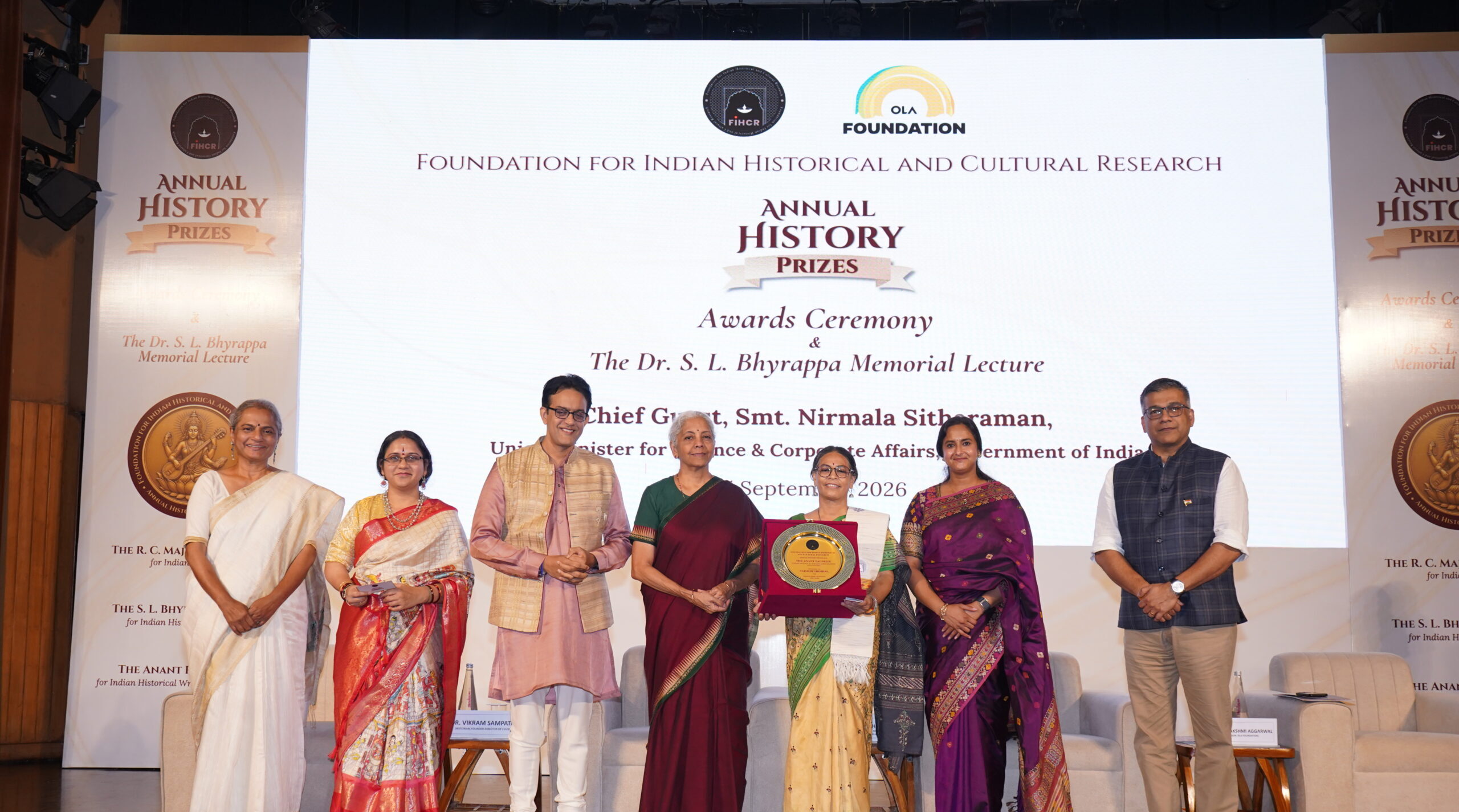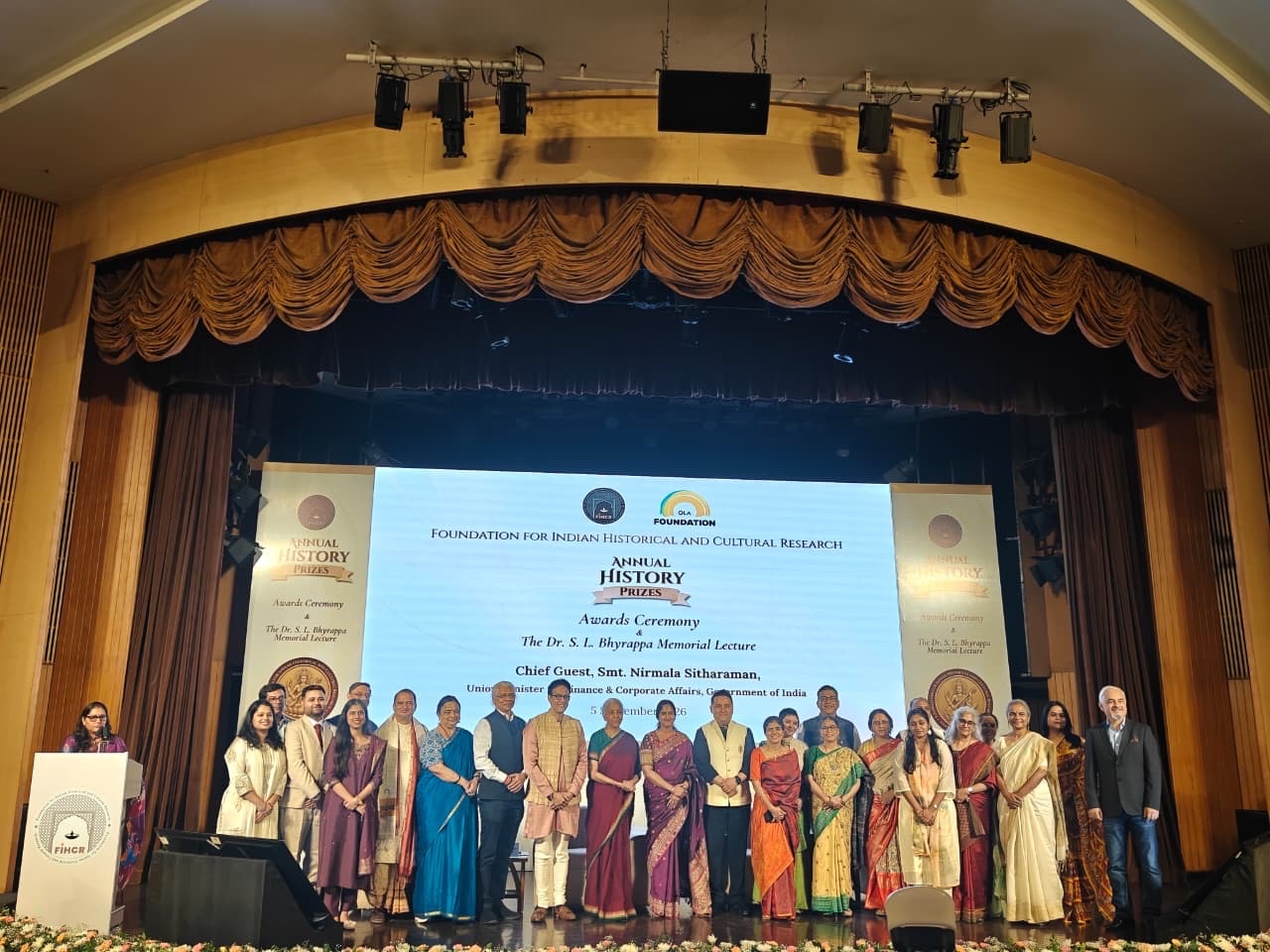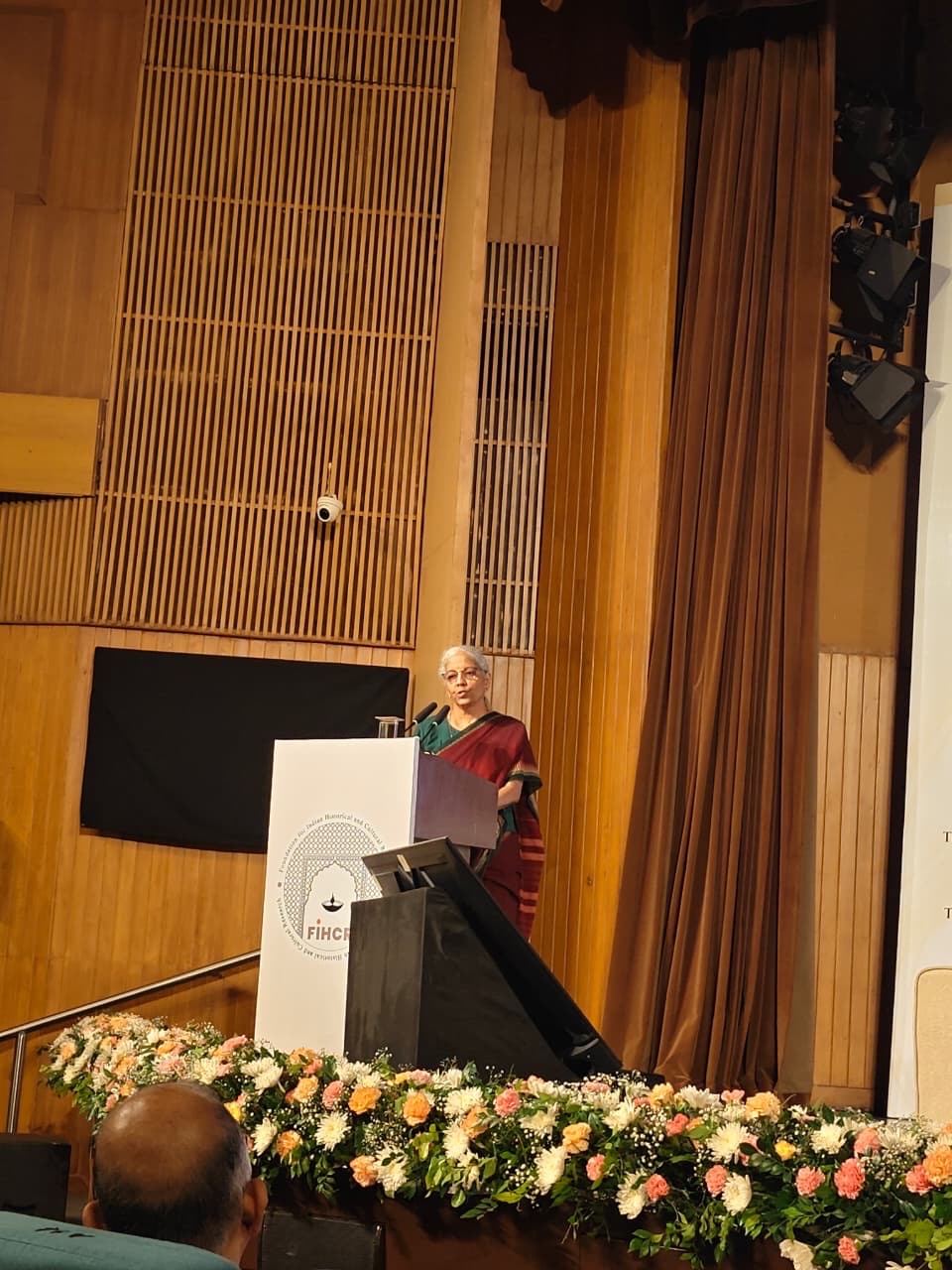
FIHCR Annual History Prizes

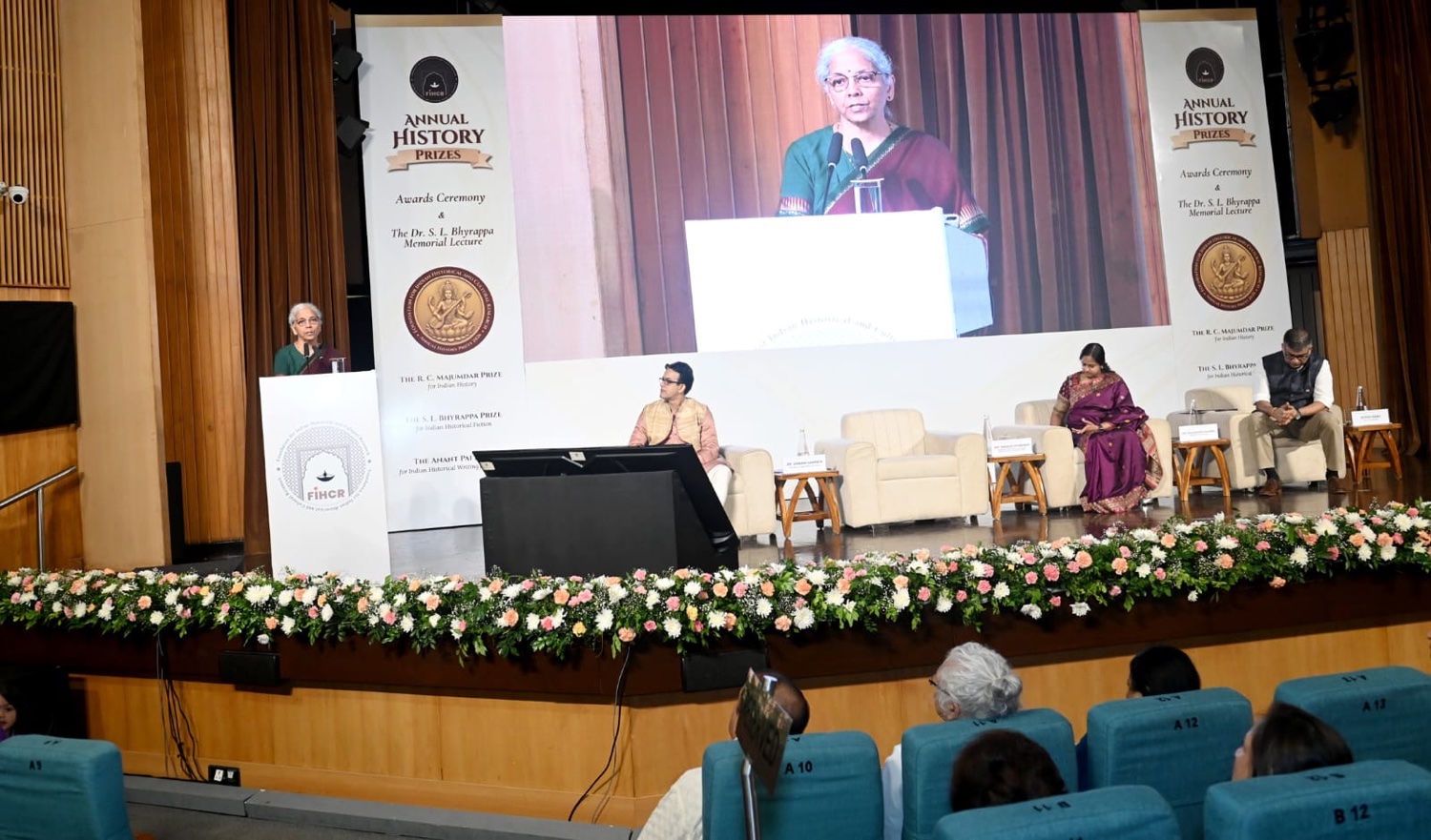
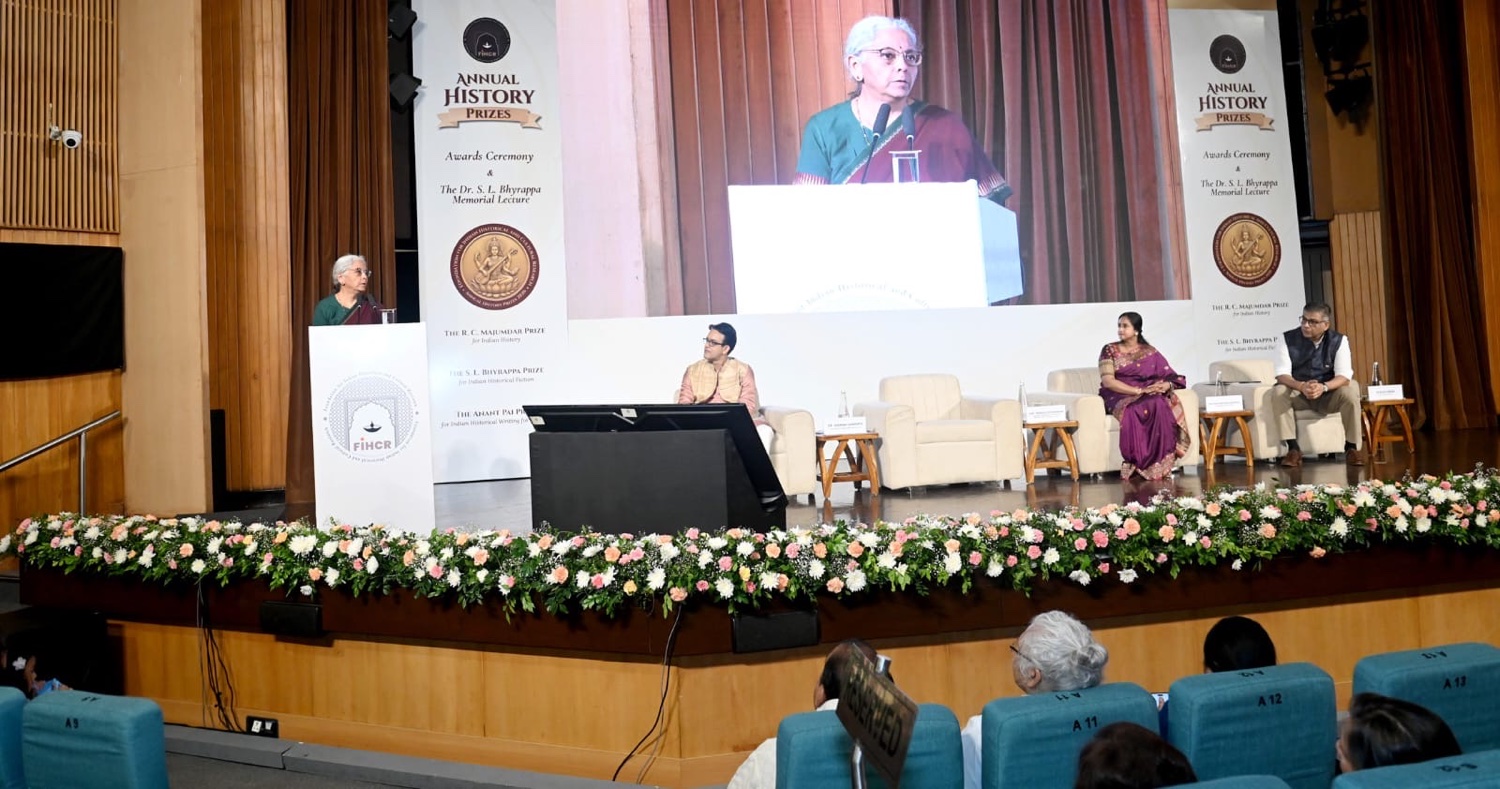
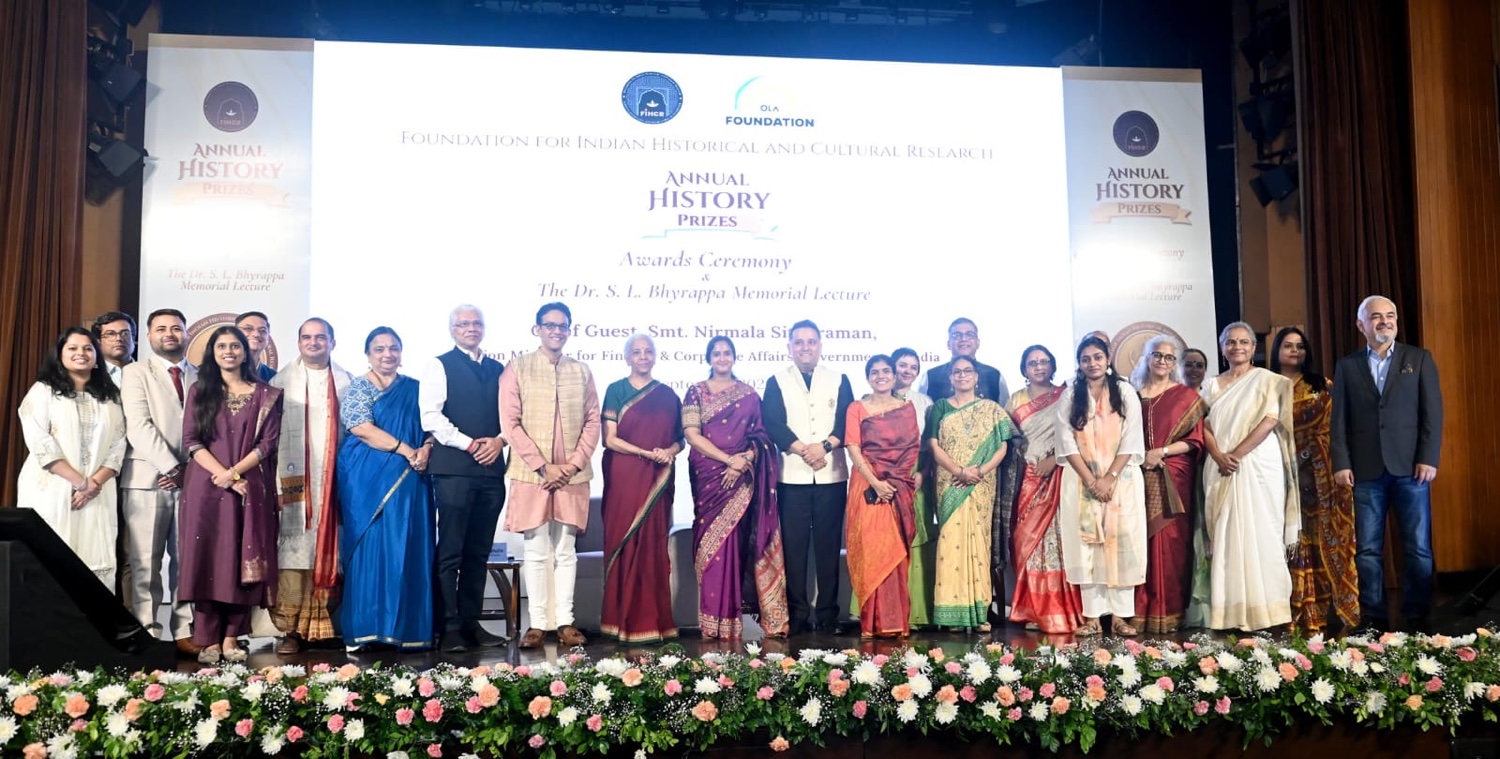
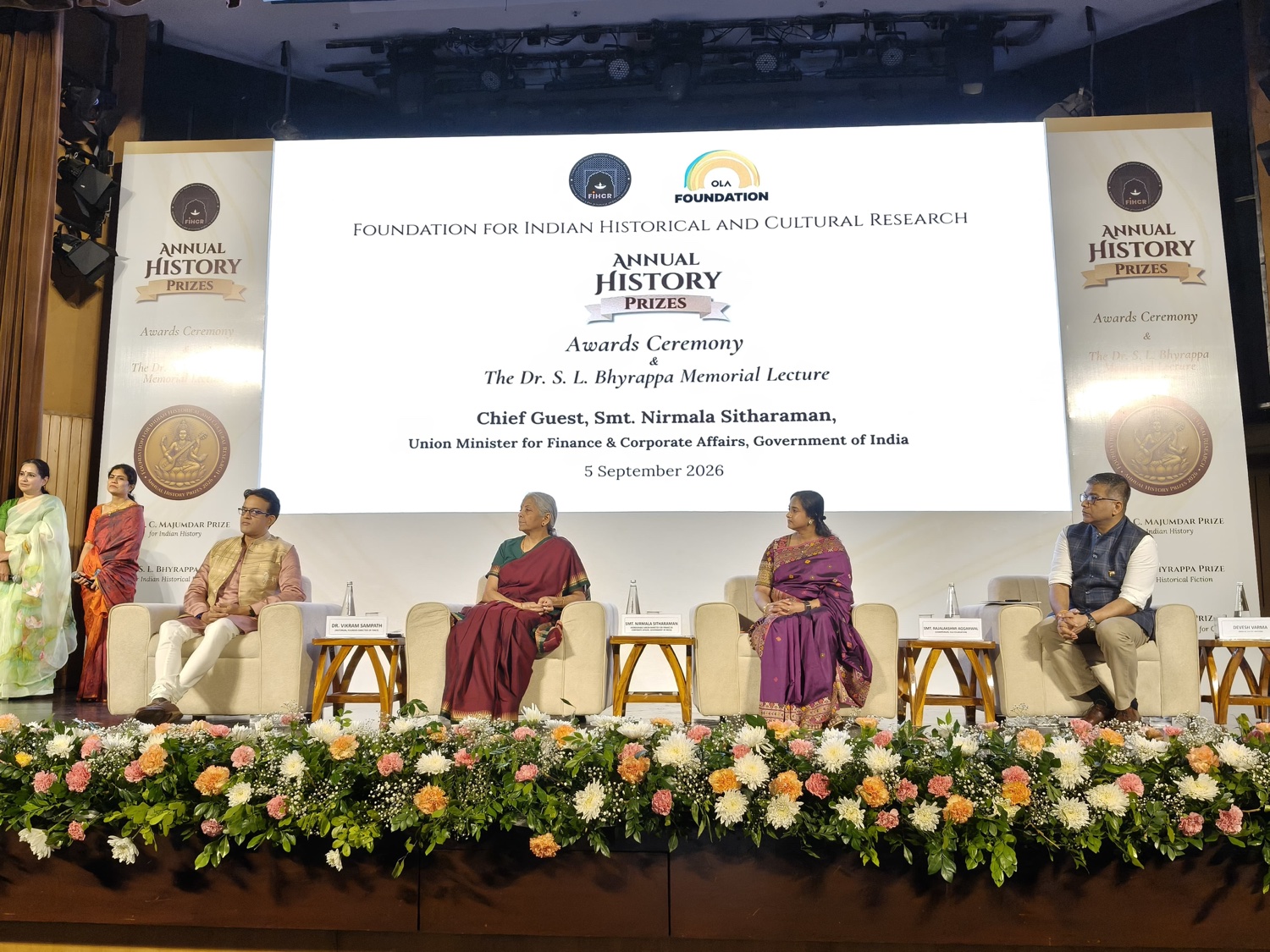
The FIHCR Annual History Prizes honour exceptional works of historical scholarship and historical fiction that contribute to a deeper public understanding of India’s past. By foregrounding rigorous research and civilisational storytelling, the prizes encourage intellectual independence and elevate historically grounded national discourse.

Recognising Excellence in History Writing and Civilisational Storytelling

2026 Shortlists Announced

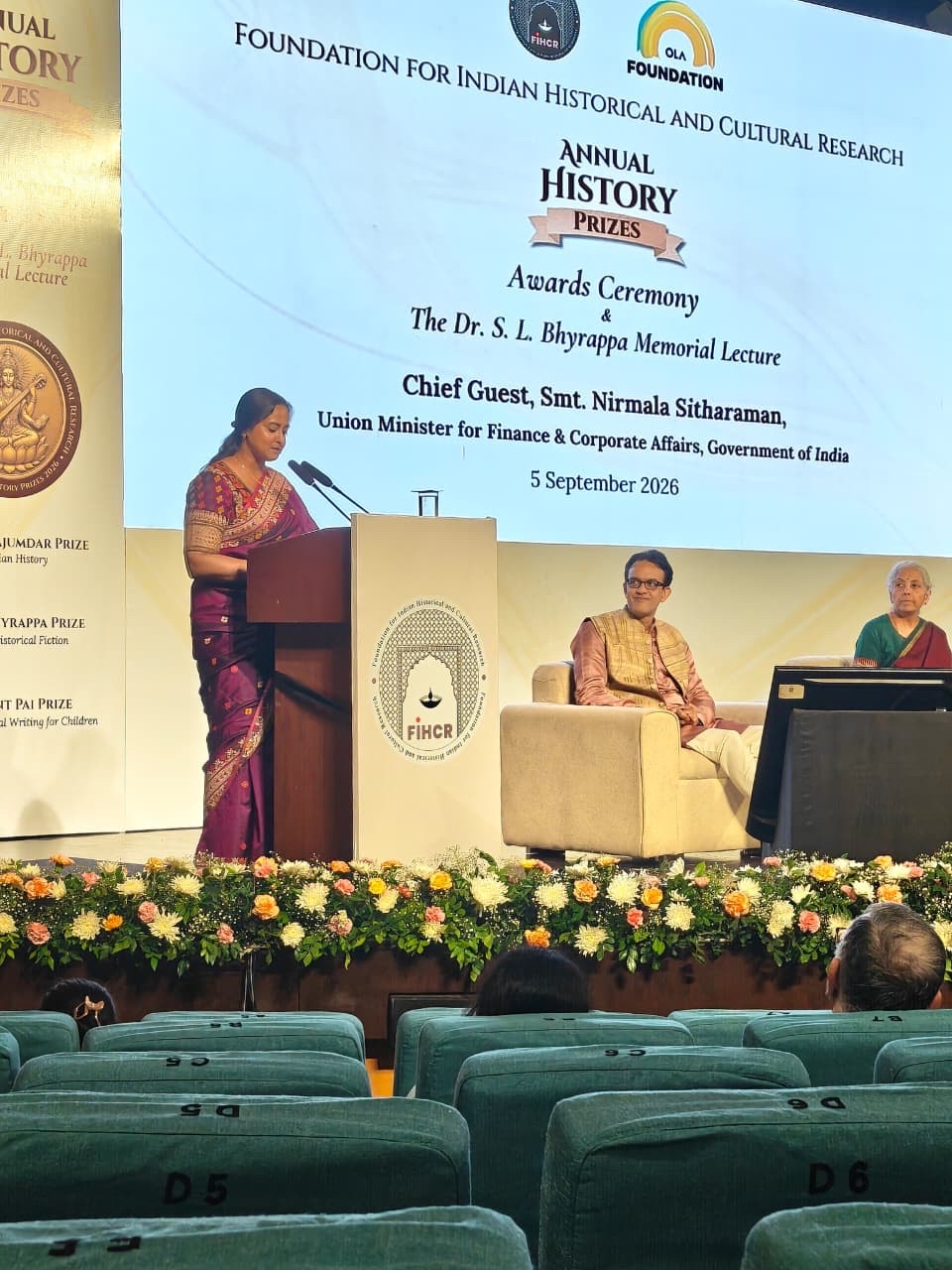
FIHCR has announced the shortlists for its Annual History Prizes, established to honour outstanding contributions in historical research and civilisational storytelling. Named after R.C. Majumdar, S.L. Bhyrappa, and Anant Pai, the awards pay tribute to towering figures who shaped India’s historical and cultural imagination.

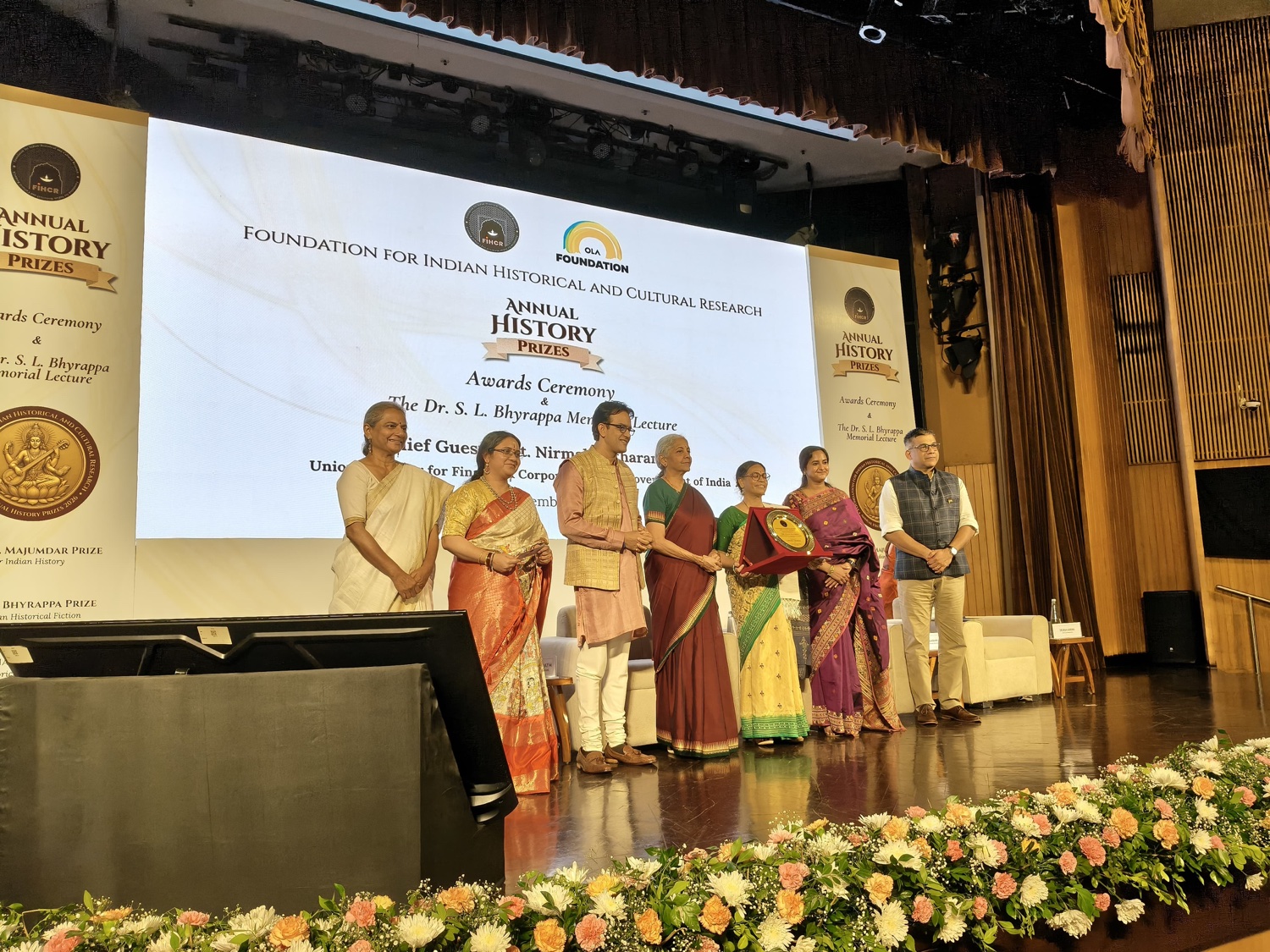
A panel of eminent jurors is evaluating the shortlisted works through a credible and merit-driven selection process. The winners will be announced at a public ceremony in New Delhi in the second half of August 2026.

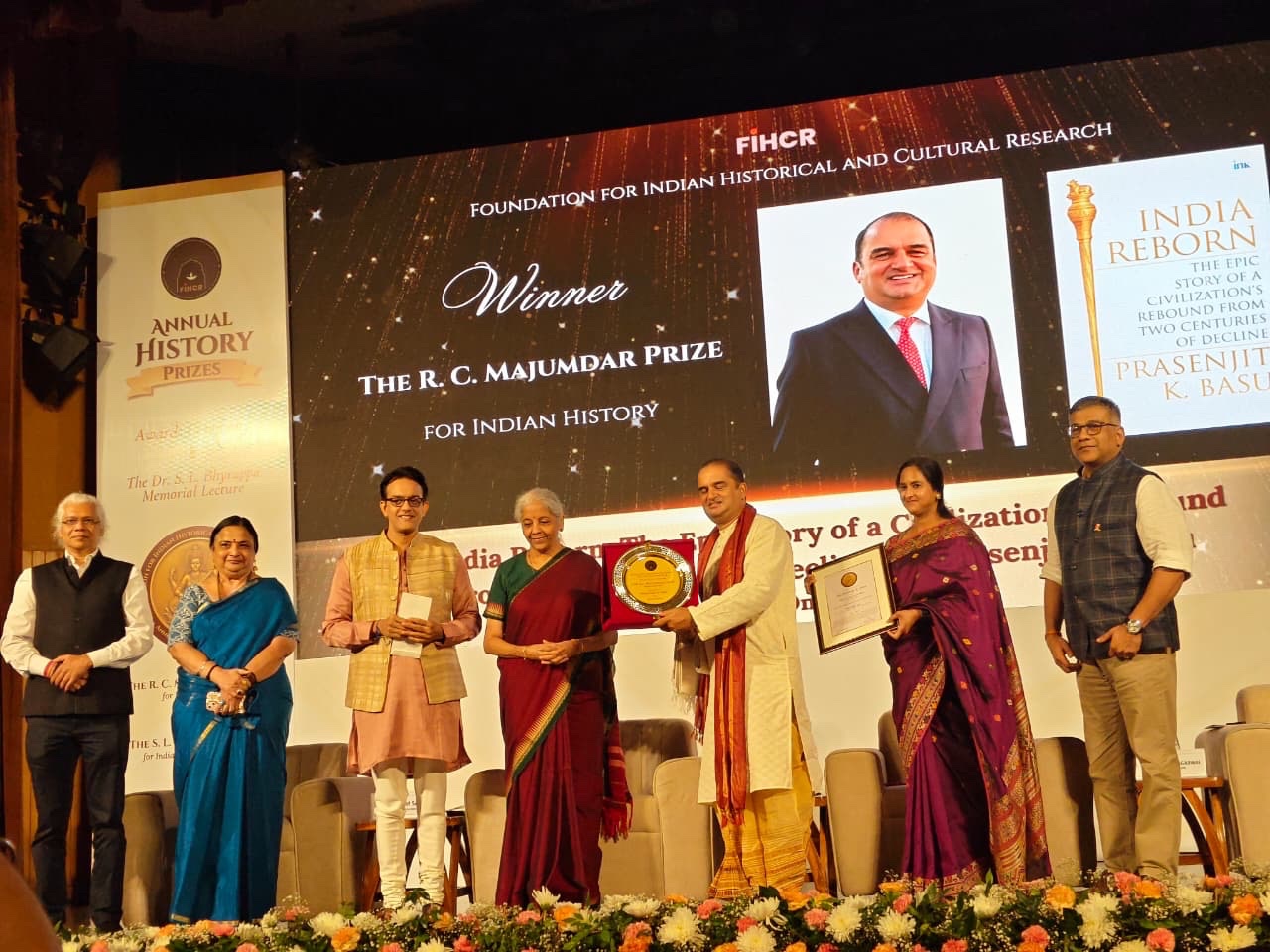
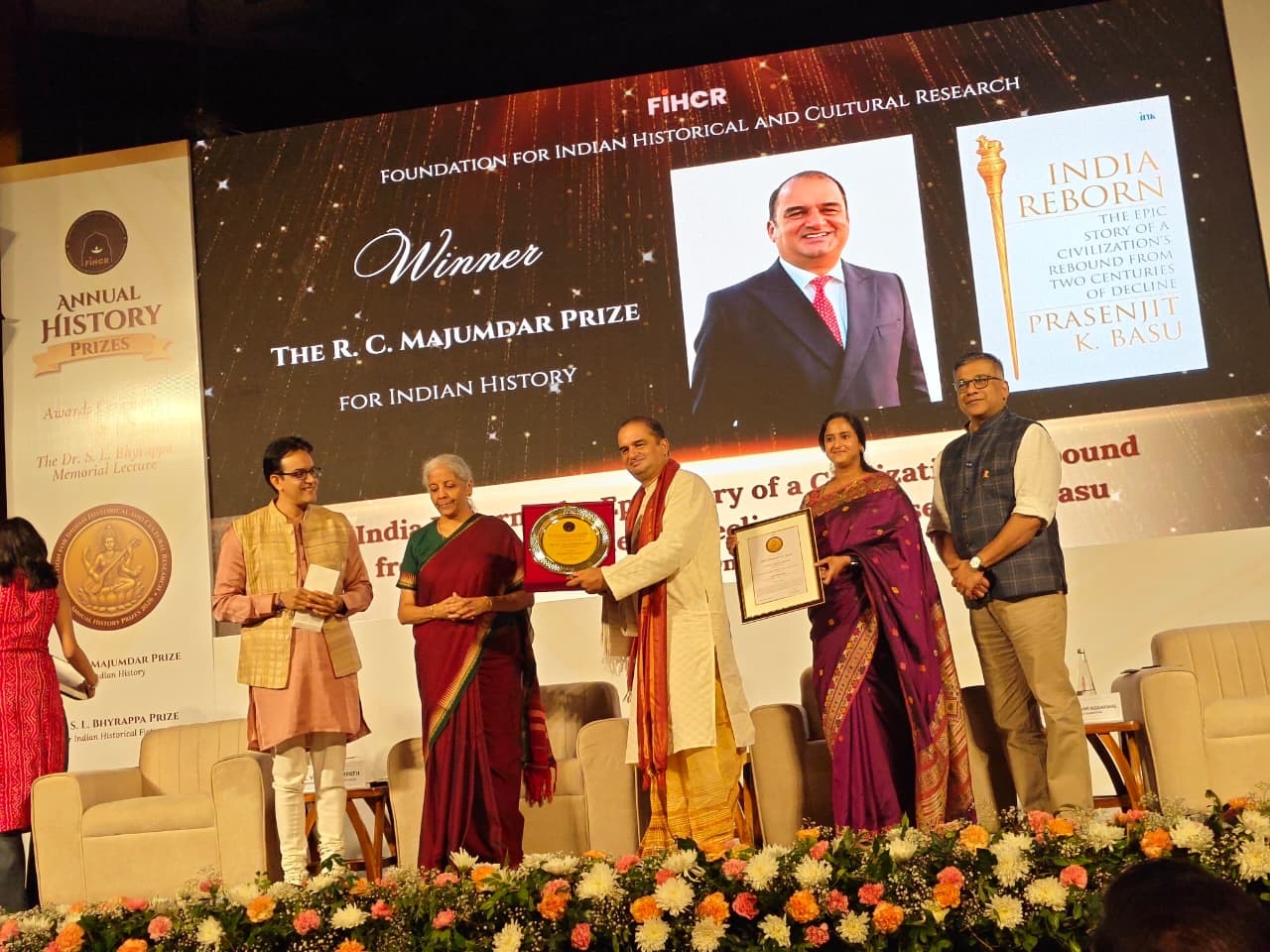
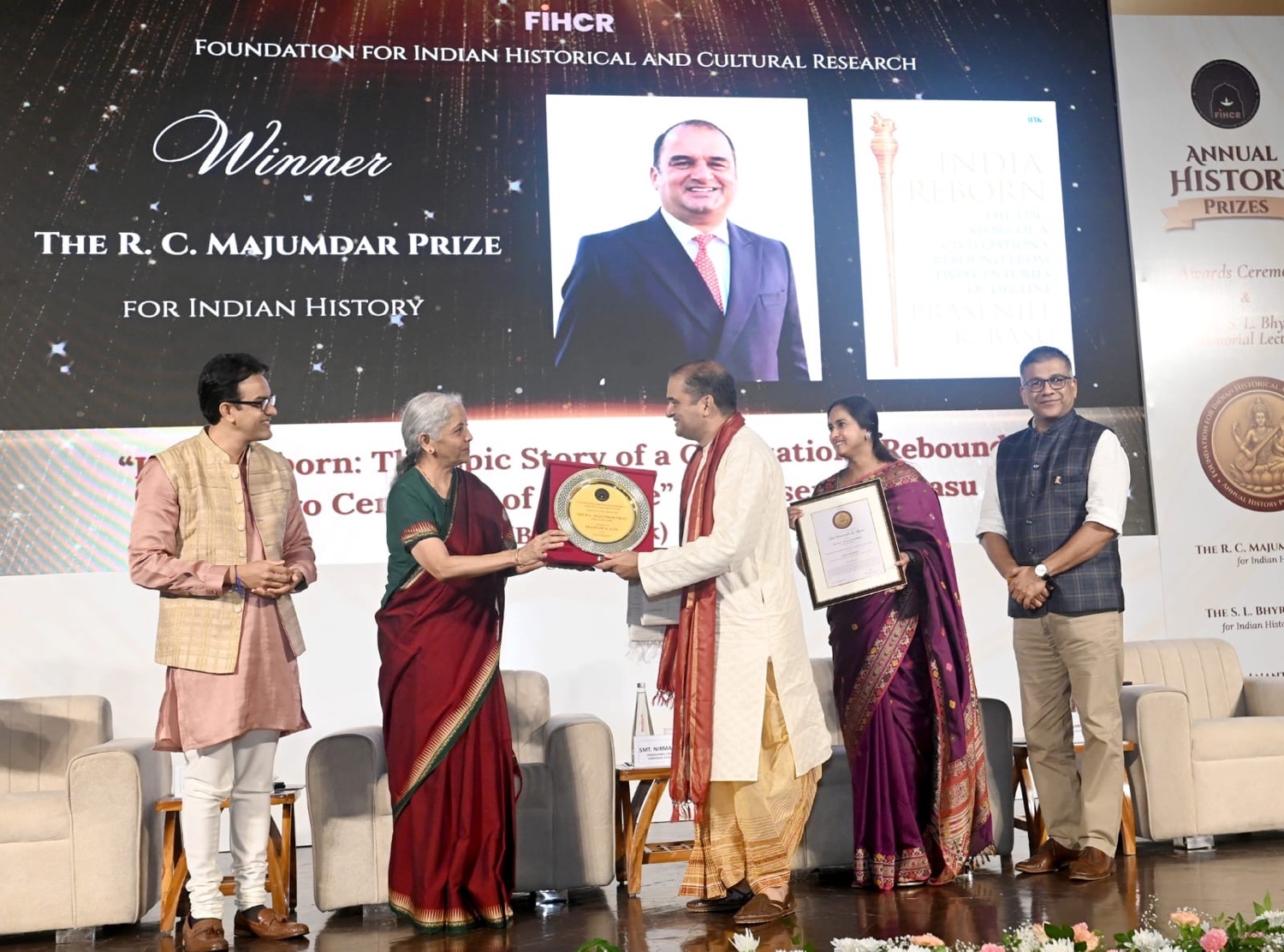
The R. C. Majumdar PrizeIndian History
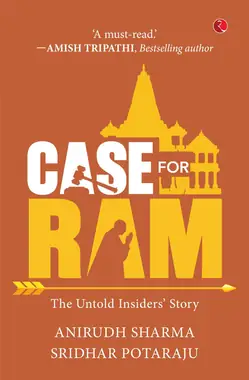
Book cover: Case for Ram

Anirudh Sharma & Sridhar PotarajuRupa Publications
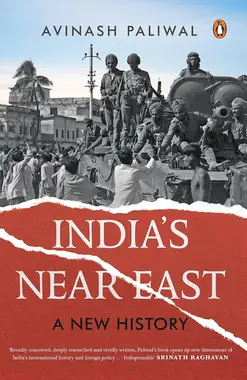
Book cover: India’s Near East

Avinash PaliwalPenguin Random House

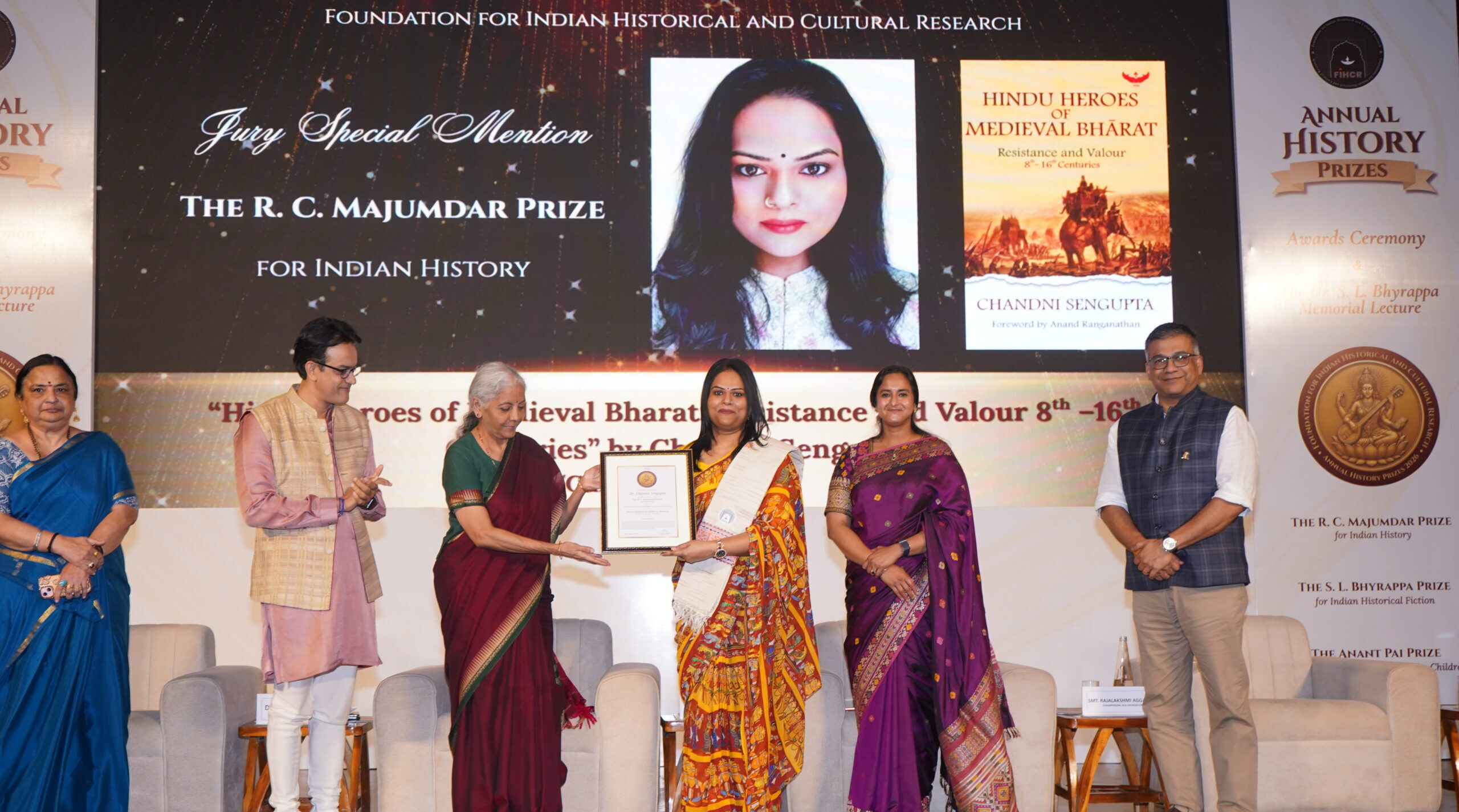
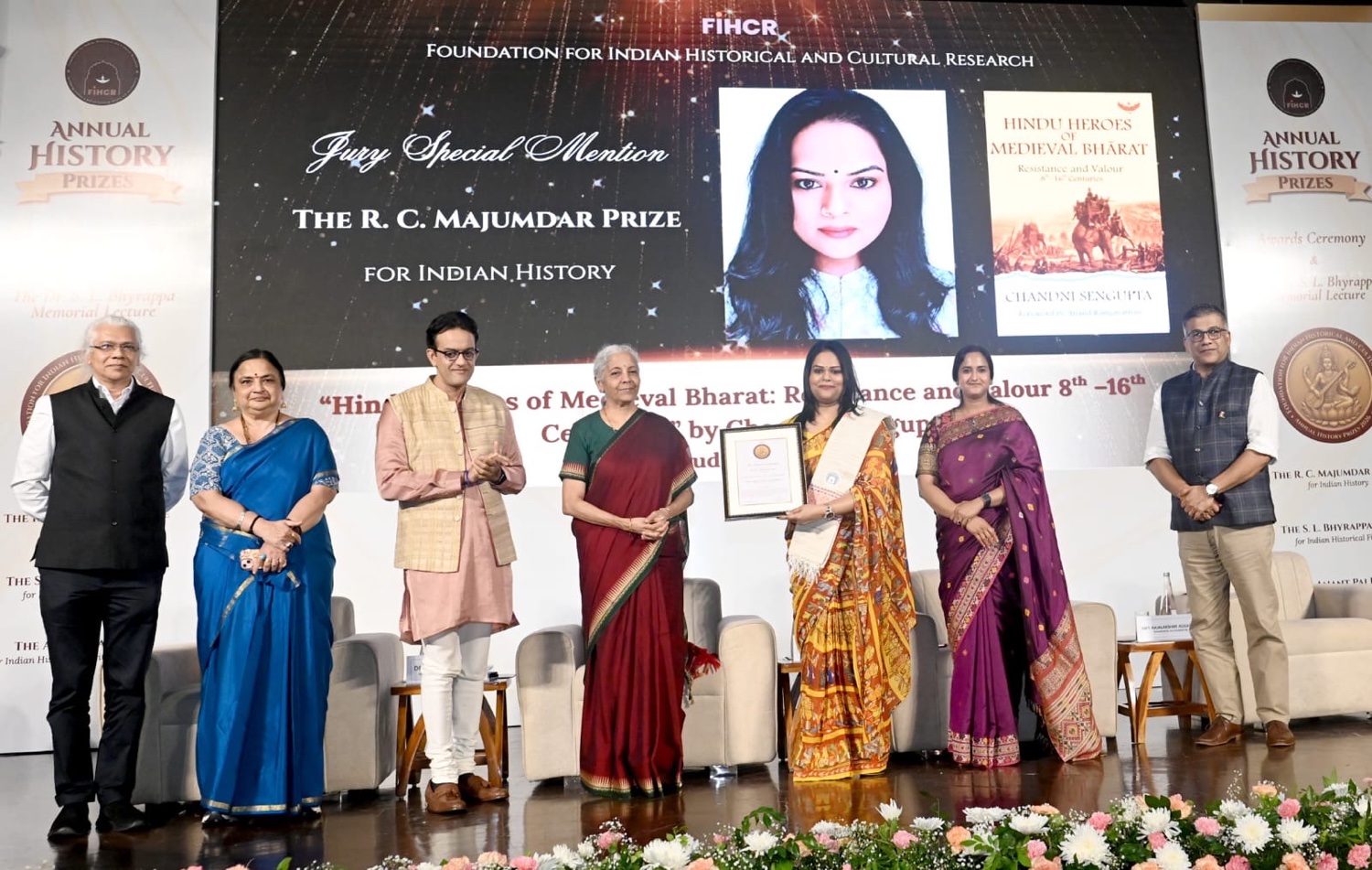
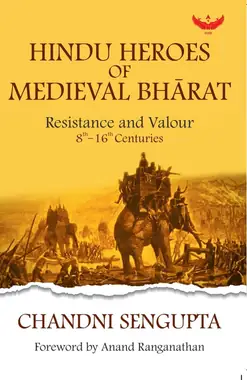
Book cover: Hindu Heroes of Medieval Bharat

Chandni SenguptaGaruda Prakashan

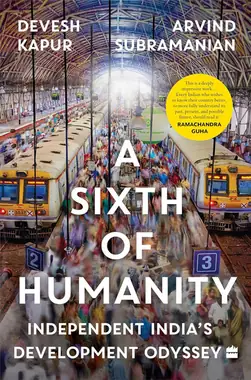
Book cover: A Sixth of Humanity

Devesh Kapur & Arvind SubramanianHarperCollins
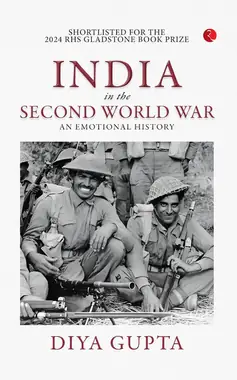
Book cover: India in the Second World War

Diya GuptaRupa Publications

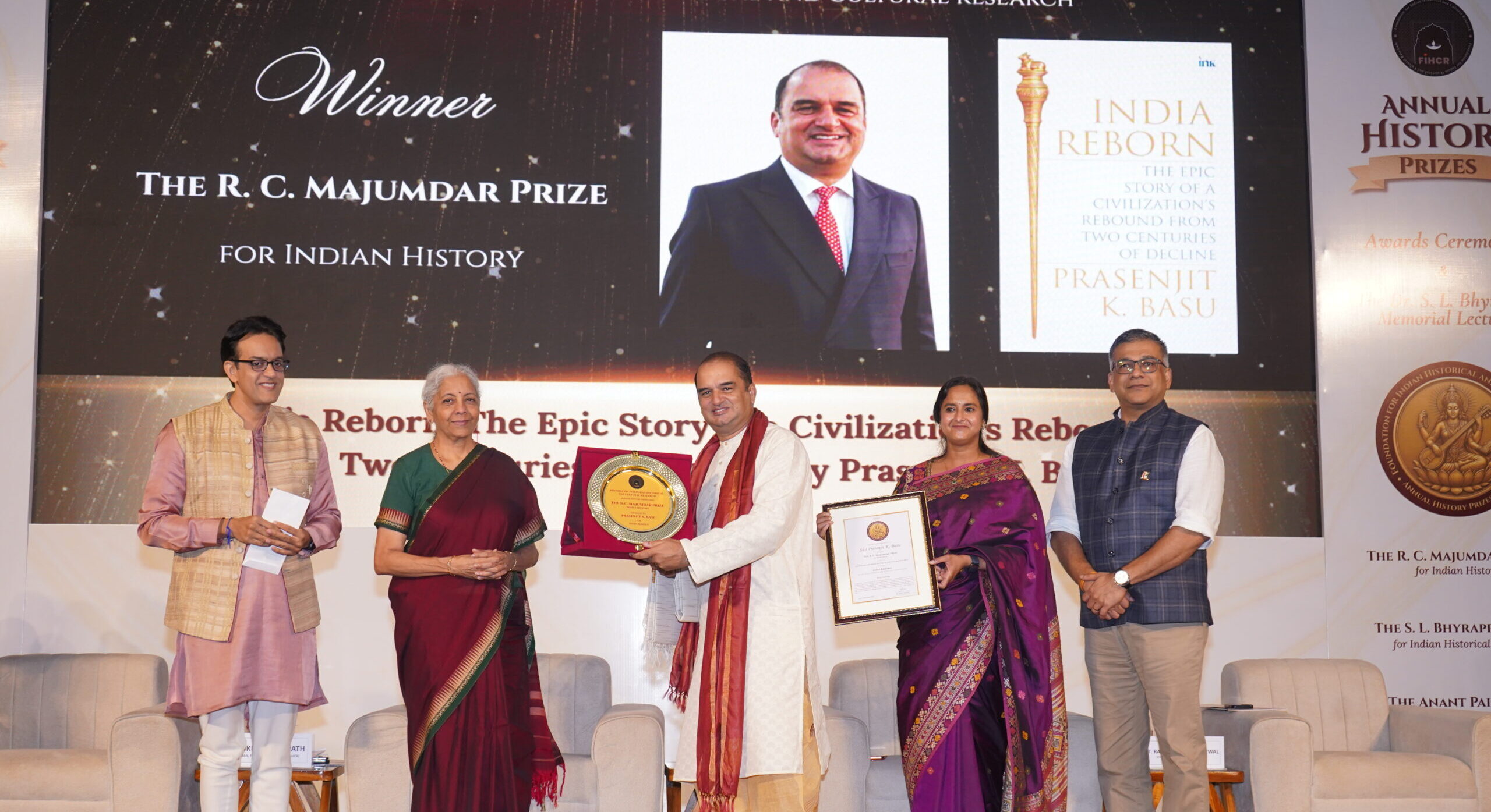
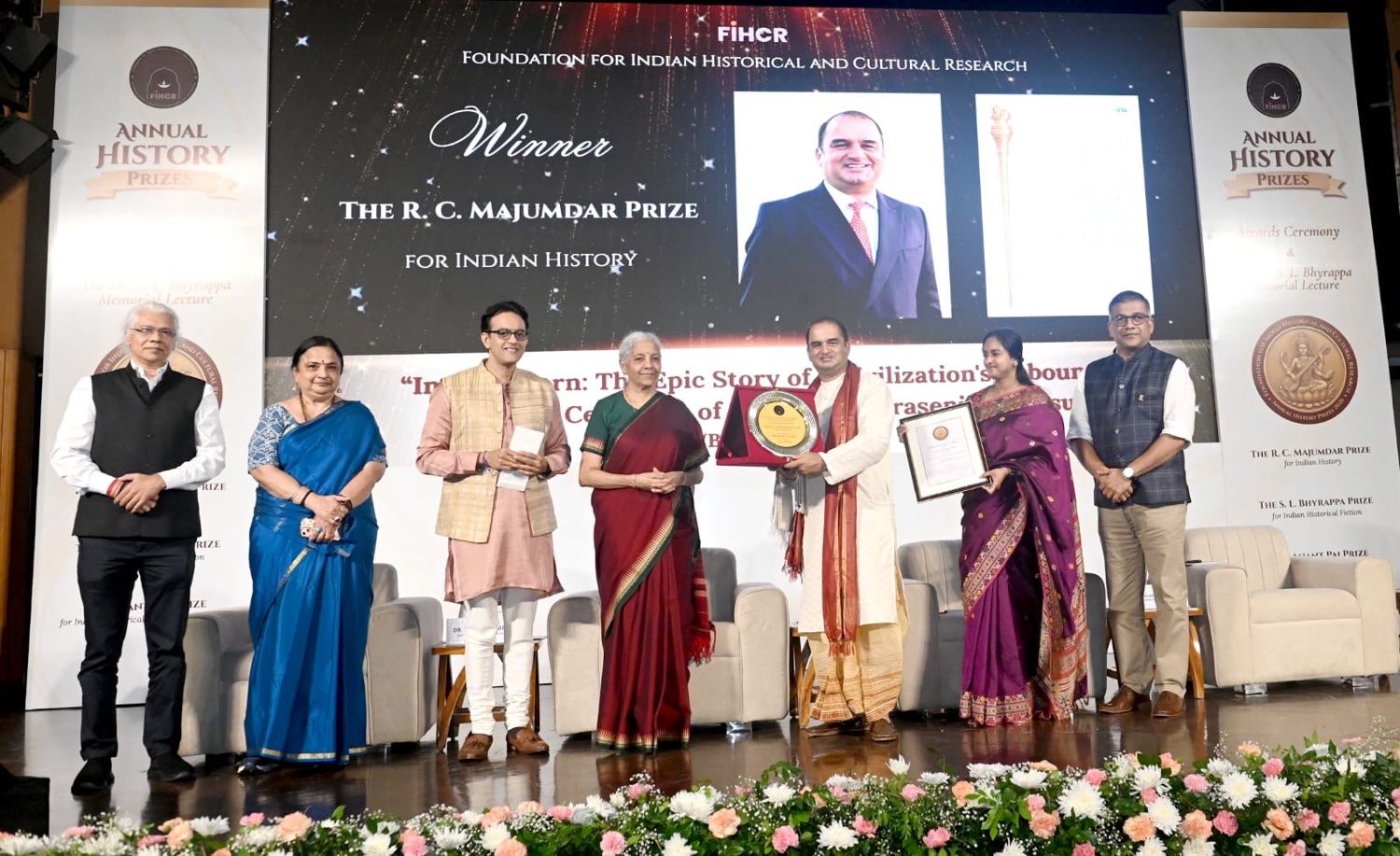
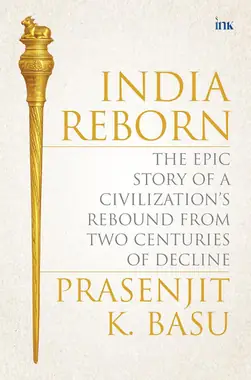
Book cover: India Reborn

Prasenjit K. BasuBluOne Ink

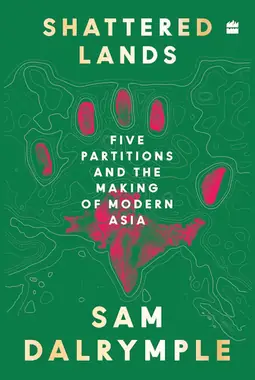
Book cover: Shattered Lands

Sam DalrympleHarperCollins

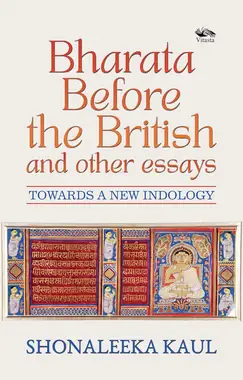
Book cover: Bharata Before the British

Shonaleeka KaulVitasta Publishing

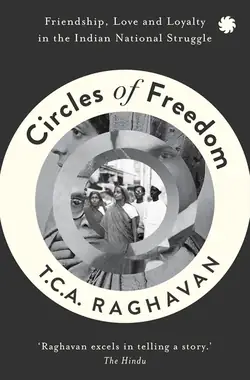
Book cover: Circles of Freedom

T.C.A. RaghavanJuggernaut Books

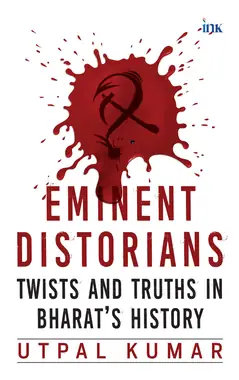
Book cover: Eminent Distorians

Utpal KumarBluOne Ink

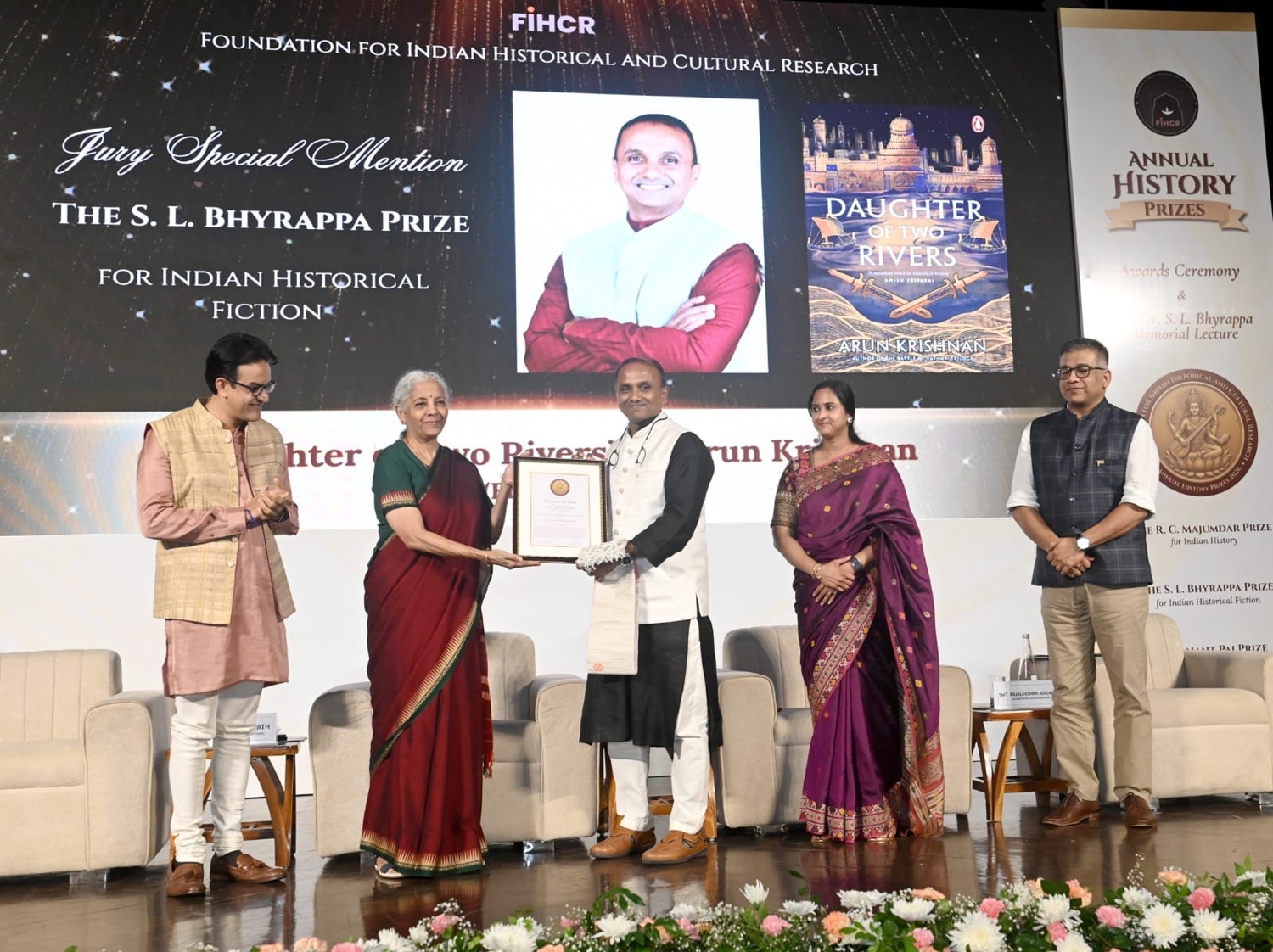
S. L. Bhyrappa PrizeIndian Historical Fiction
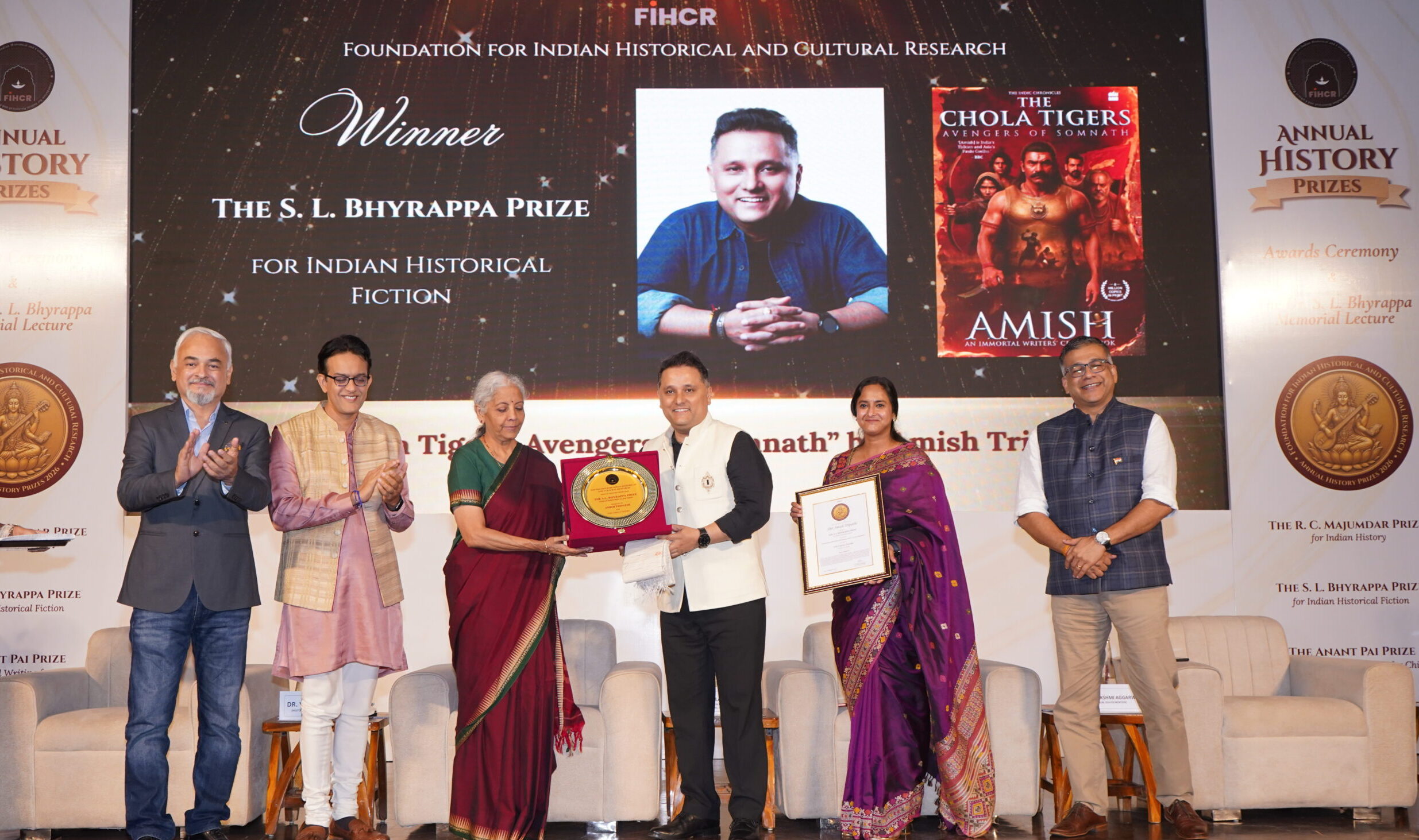
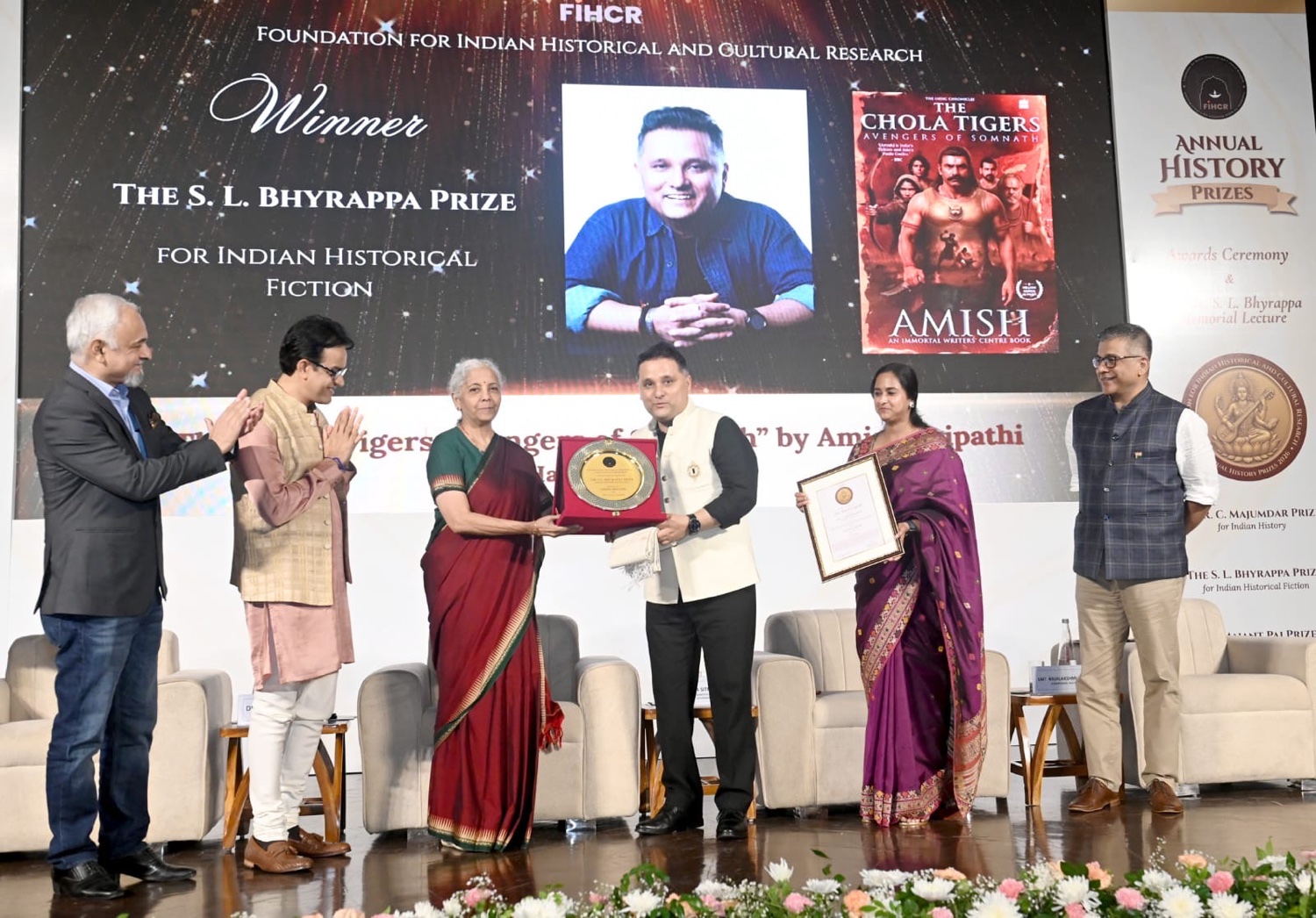
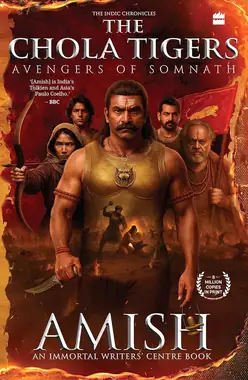
Book cover: The Chola Tigers

Amish TripathiHarperCollins

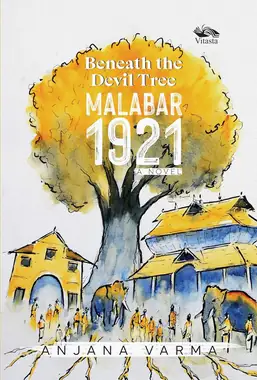
Book cover: Beneath the Devil Tree: Malabar 1921

Anjana VarmaVitasta Publishing

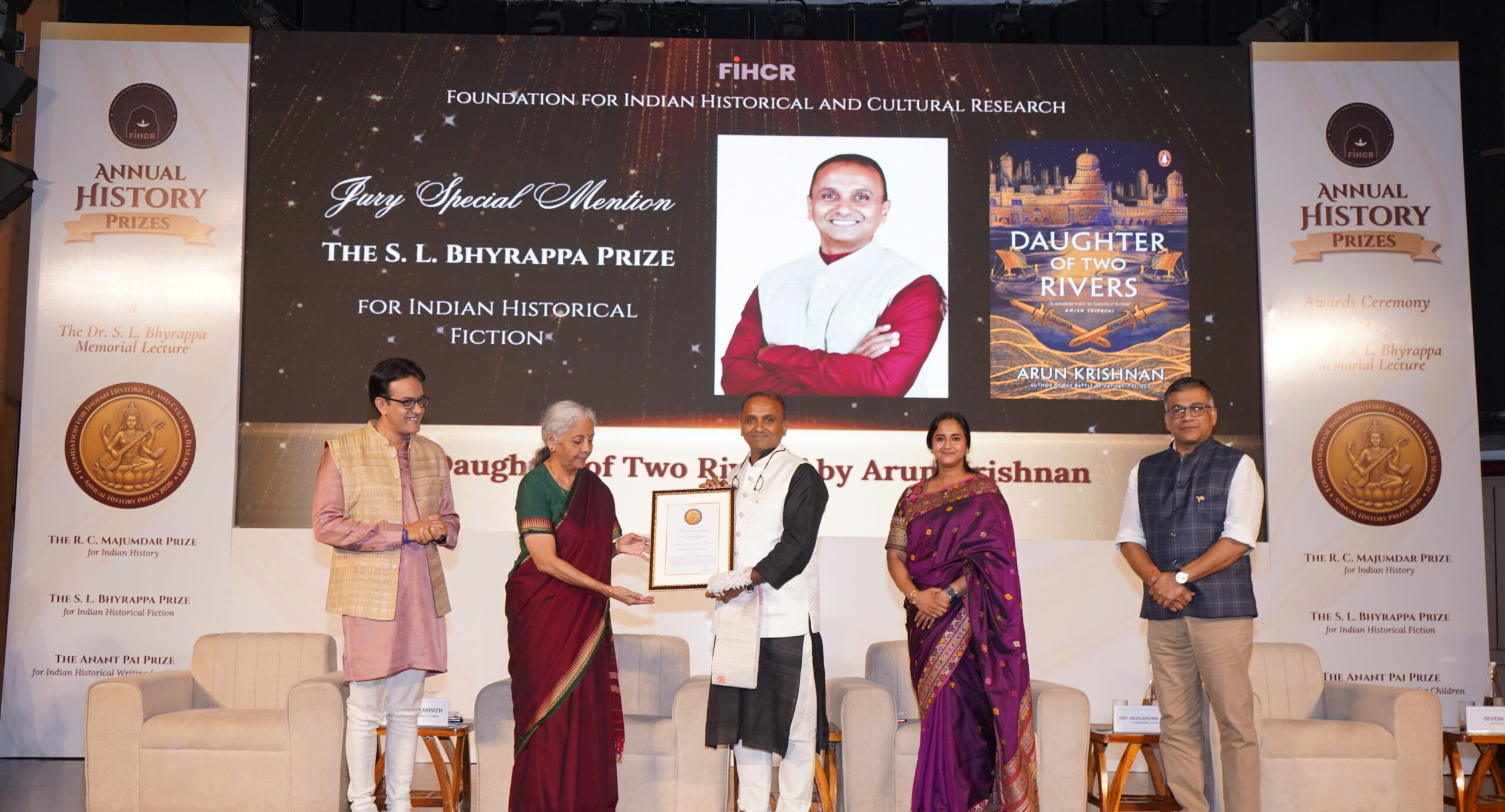
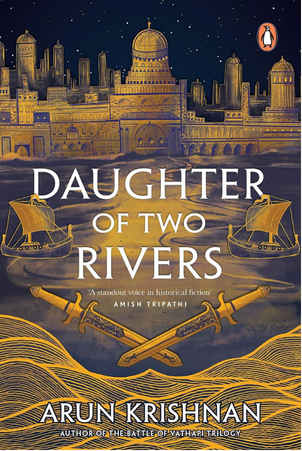
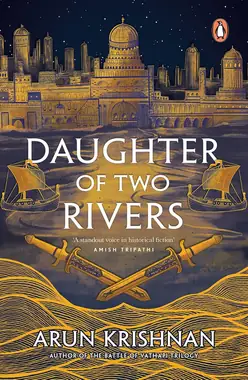
Book cover: Daughter of Two Rivers

Arun KrishnanEbury Press

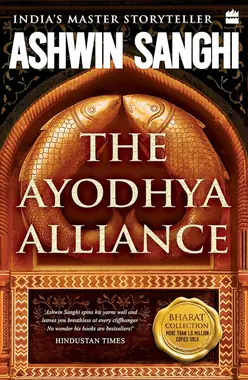
Book cover: The Ayodhya Alliance

Ashwin SanghiHarperCollins

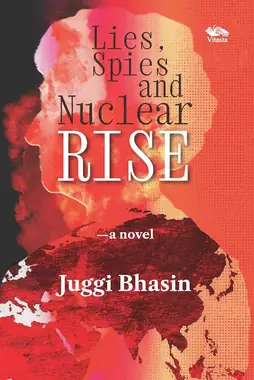
Book cover: Lies, Spies and Nuclear Rise

Juggi BhasinVitasta Publishing

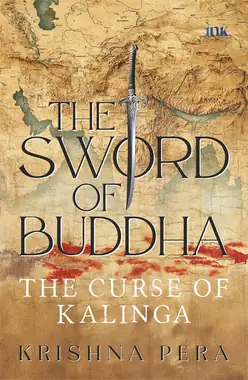
Book cover: The Sword of Buddha

Krishna PeraBluOne Ink

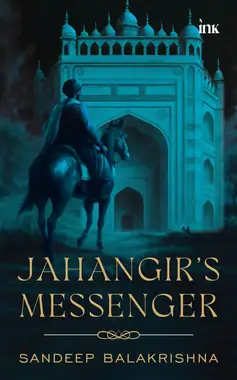
Book cover: Jahangir’s Messenger

Sandeep BalakrishnaBluOne Ink

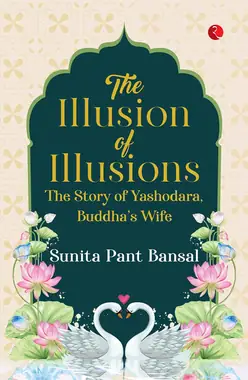
Book cover: The Illusion of Illusions

Sunita Pant BansalRupa Publications

The Anant Pai PrizeIndian Historical Writing for Children, Authors Category
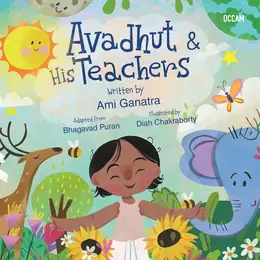
Book cover: Avadhut & His Teachers

Ami GanatraBluOne Ink

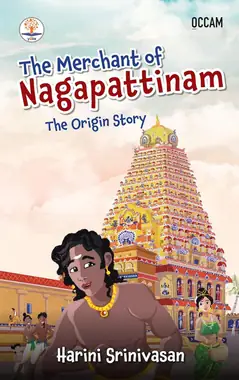
Book cover: The Merchant of Nagapattinam

Harini SrinivasanBluOne Ink

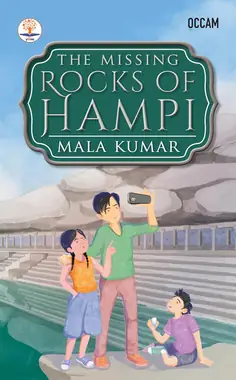
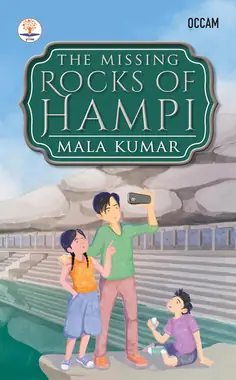
Book cover: The Missing Rocks of Hampi

Mala KumarBluOne Ink

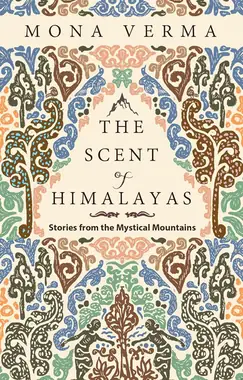
Book cover: The Scent of Himalayas

Mona VermaReadomania

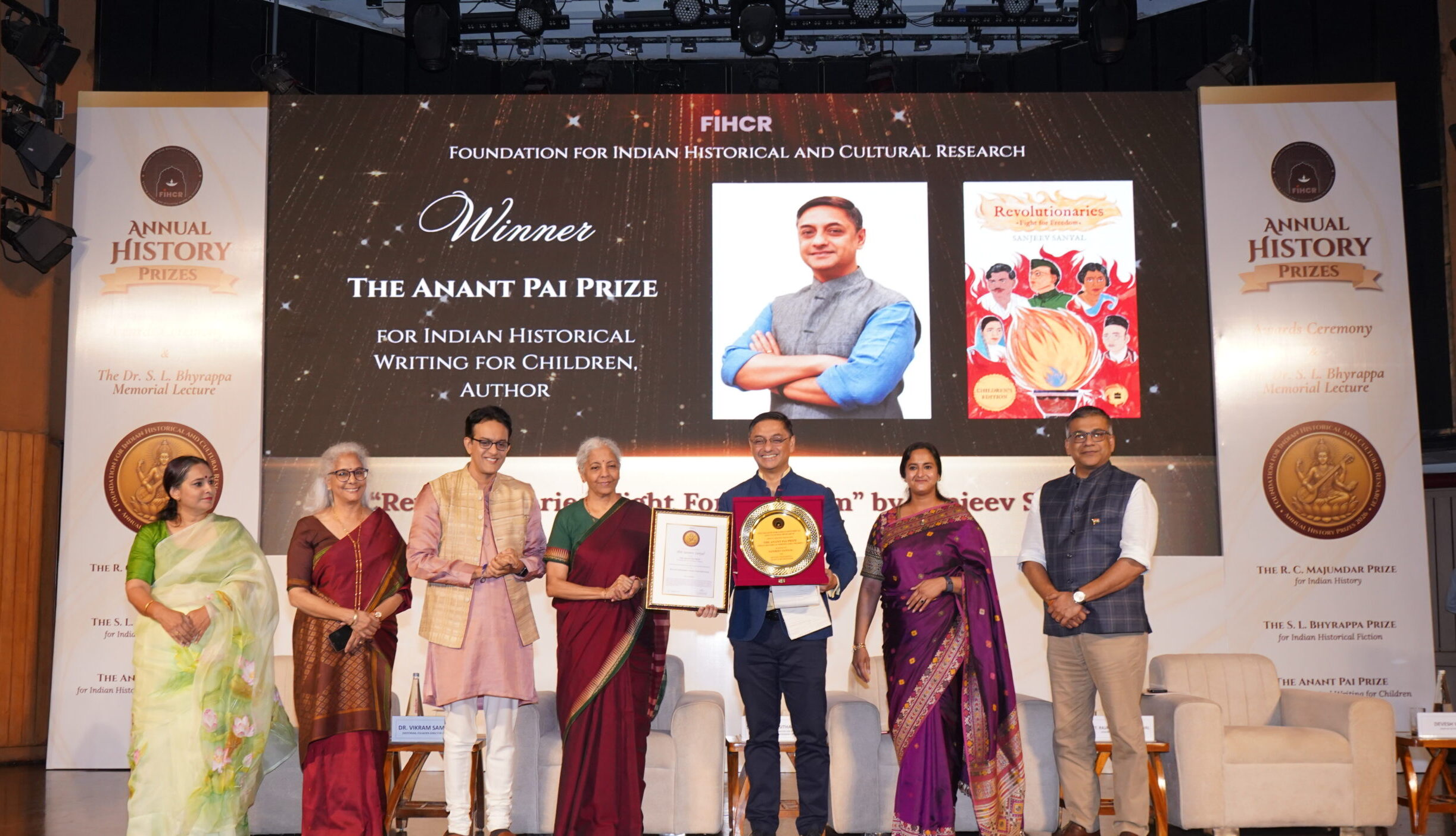
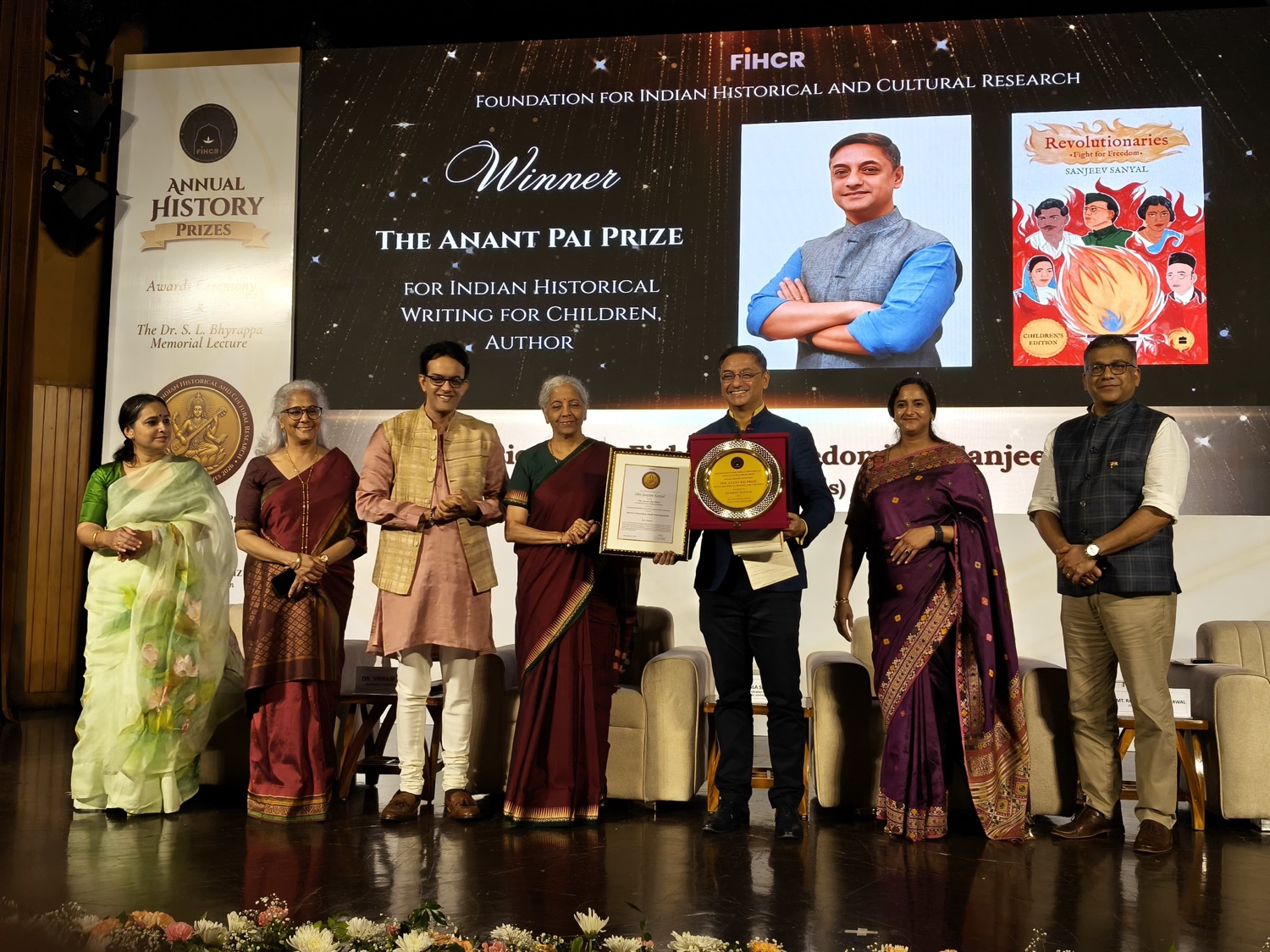
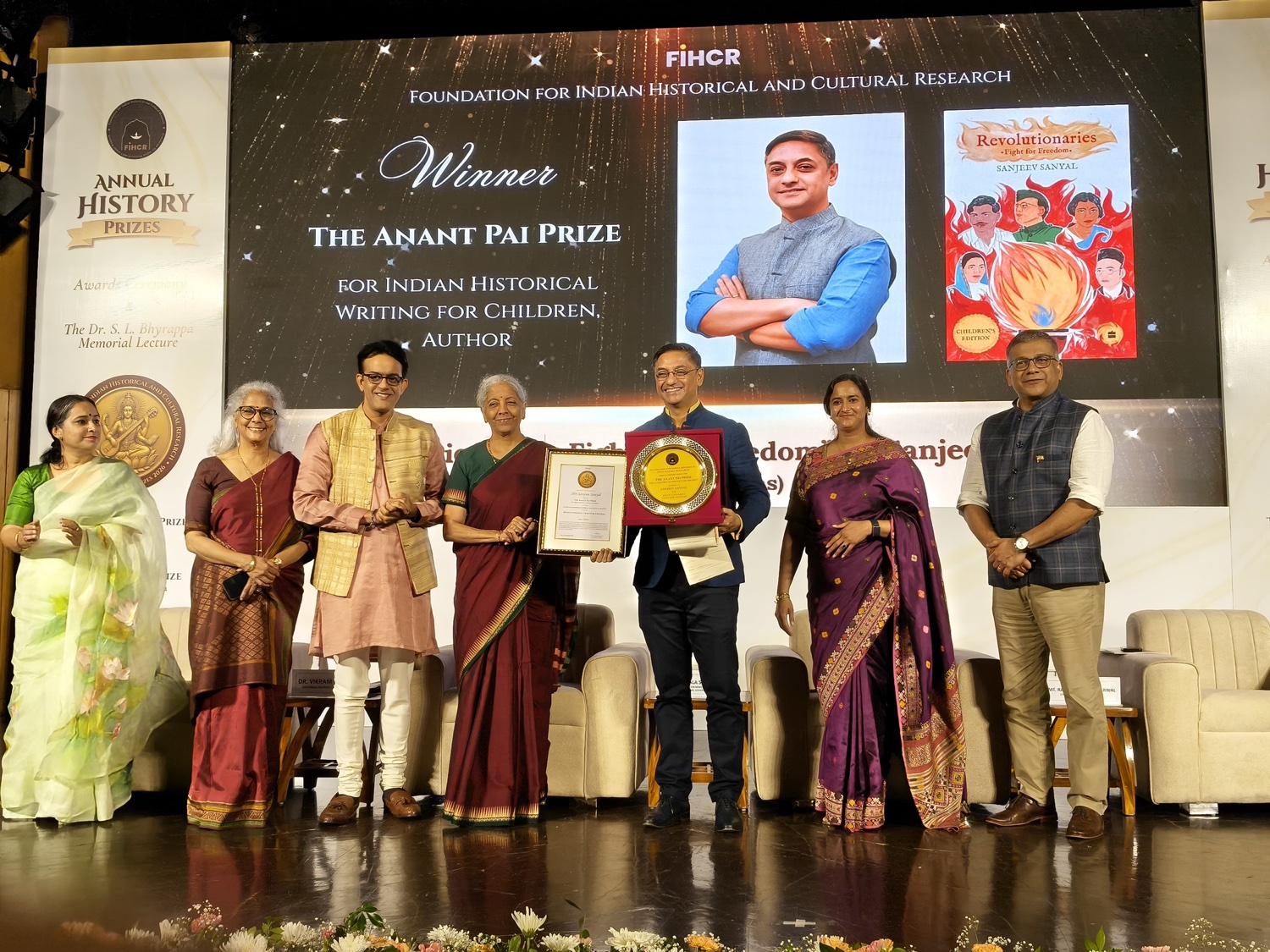
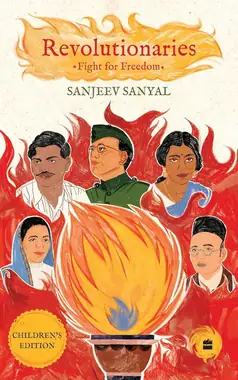
Book cover: Revolutionaries

Sanjeev SanyalHarperCollins

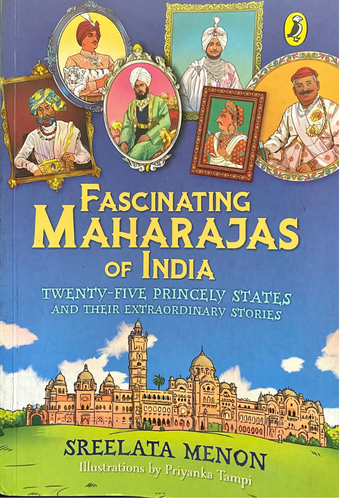
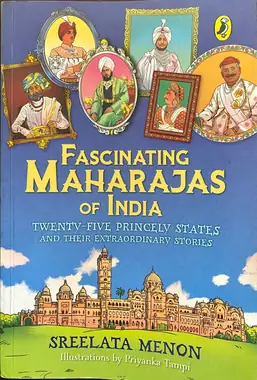
Book cover: Fascinating Maharajas of India

Sreelata MenonPenguin Random House

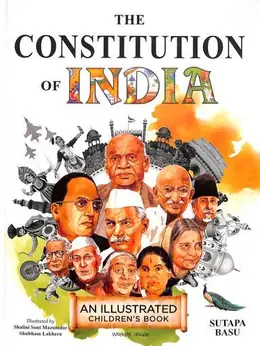
Book cover: The Constitution of India

Sutapa BasuWonder House

The Anant Pai PrizeIndian Historical Writing for Children, Illustrators Category
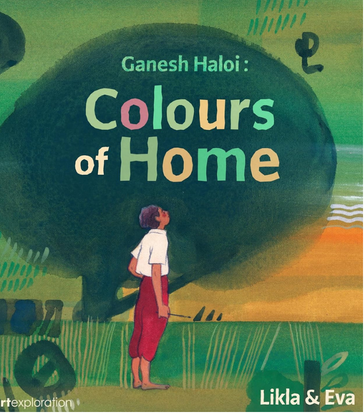
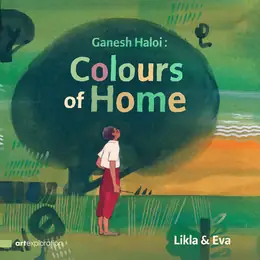
Book cover: Colours of Home

Eva Sanchez GomezArt1st

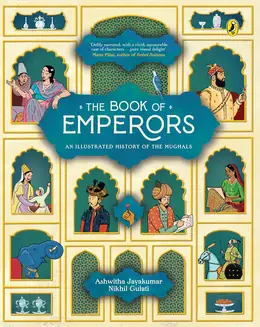
Book cover: The Book of Emperors

Nikhil GulatiPenguin Random House

Book cover: The Missing Rocks of Hampi

Megha VishwanathBluOne Ink

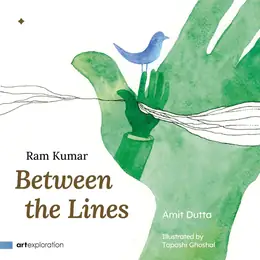
Book cover: Between the Lines

Taposhi GhoshalArt1st

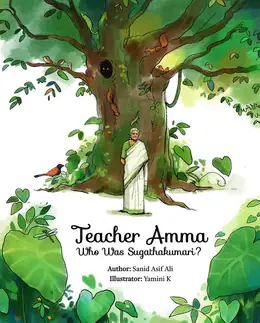
Book cover: Teacher Amma

Yamini KRoom to Read India

The Inspiration

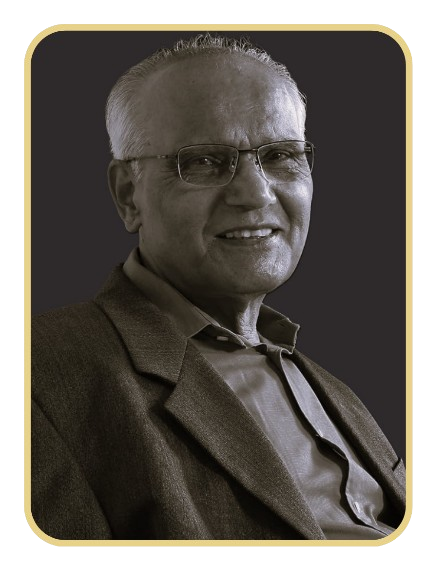
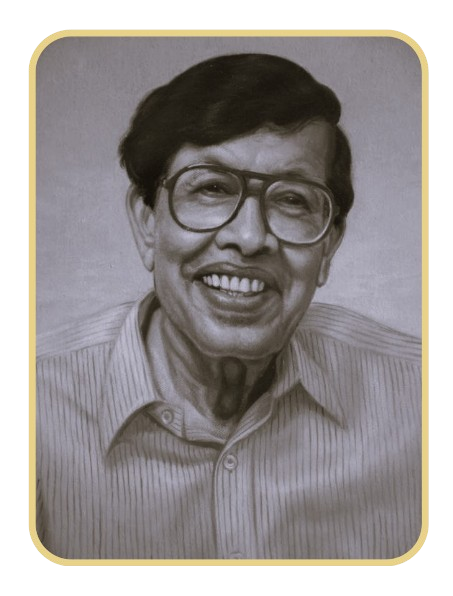
The monumental works of three inspiring scholars and authors Dr R. C. Majumdar, Dr. S. L. Bhyrappa, and Anant Pai have inspired FIHCR to institute these prizes.

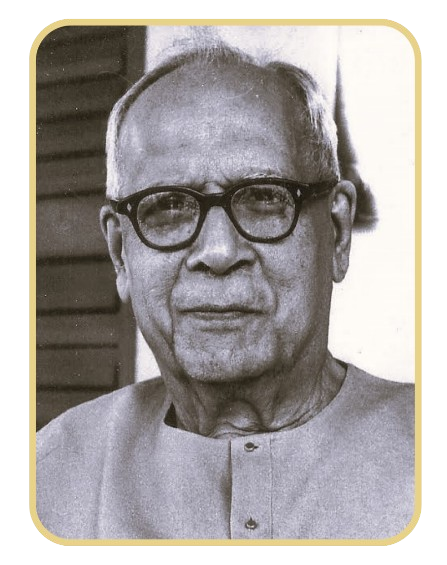
Dr Ramesh Chandra Majumdar (1888–1980) was one of modern India’s foremost historians and a foundational figure in 20th-century Indian historical scholarship. Trained in rigorous archival research and source criticism, he worked across ancient, medieval, and modern periods with meticulous scholarship. Majumdar served as founder-principal of the College of Indology at Nagpur University, taught at the Universities of Chicago and Pennsylvania, and presided over the Asiatic Society. His monumental works, including the eleven-volume history of India spanning from the Vedic era to independence, The History and Culture of the Indian People, that he led as the general editor and his writings on the freedom struggle, exemplify how rigorous, evidence-based scholarship can reach a broad readership without compromising intellectual integrity.

Dr Santeshivara Lingannaih Bhyrappa (1931–2025) was among the most distinguished literary figures of modern India, celebrated for his profound engagement with history, philosophy, and civilisation through fiction. Writing primarily in Kannada, his works were translated into numerous Indian and international languages, earning him a truly pan-Indian and global readership. His novels are marked by meticulous research, intellectual depth, and moral seriousness, seamlessly blending historical realities with philosophical inquiry and narrative power. A recipient of the Saraswati Samman and the Padma Bhushan, Bhyrappa’s oeuvre demonstrates how historically grounded fiction can become a powerful medium for cultural reflection, national memory, and enduring literary excellence.

Anant Pai (1929–2011), fondly remembered as Uncle Pai, was a pioneering force in Indian children’s publishing and education. An educationalist and visionary storyteller, he created Amar Chitra Katha, the iconic illustrated series that introduced generations of young readers to Indian mythology, history, and folklore, and Tinkle, a much-loved children’s magazine. Motivated by the realisation that Indian children often knew more about foreign myths than their own heritage, Pai combined careful research with accessible storytelling to bridge this gap. His work fostered cultural confidence, curiosity, and historical awareness, leaving an enduring legacy in Indian childhood reading. 

Prize Categories and Corpus

The 2026 edition includes four categories of prizes. Each prize includes a monetary award and will be celebrated in the form of an award ceremony and a public event in August, 2026. The four categories in which the prizes will be awarded this year are:

  • The R. C. Majumdar Prize for Indian History (Academic or Public history): INR 10 lakhs 
  • The S. L. Bhyrappa Prize for Indian Historical Fiction: INR 5 lakhs
  • The Anant Pai Prize for Historical Writing for Children: INR 3 lakhs
  • The Anant Pai Prize for Illustration in Indian Historical Writing for Children: INR 2 lakhs

Eligibility, Nomination & Evaluation

Eligibility


For the FIHCR Annual History Award, 2026 edition, only titles published between 1 January 2024 and 31 December 2025 are eligible for consideration. Titles may be authored (or illustrated, in the case of the Prize for Illustration) by both Indian and non-Indian nationals, residing either in India or abroad. Nominations must be submitted exclusively by the publisher of the book.

Eligible titles may be originally written in English or translated into English. The work needs to engage substantively with India’s history, civilisation, or cultural experience. The titles nominated for a category must be aligned with the theme of the prize category.

Submissions for the the R. C. Majumdar Prize for Indian History and the S. L. Bhyrappa Prize for Indian Historical Fiction should demonstrate rigorous engagement with primary sources, including texts, inscriptions, and archival materials, as well as serious engagement with indigenous textual and intellectual traditions. 

Submissions for the Anant Pai Prize for Indian Historical Writing for Children should demonstrate captivating storytelling for children and/or young adults while being rooted in historical evidence, research rigour and indigenous knowledge traditions. On similar lines, the Anant Pai Prize for Illustration in Indian Historical Writing for Children will celebrate work that demonstrates historical responsibility and authenticity, child-centred communication, and artistic excellence.

Nomination Process

Publishers (academic publications, as well as popular trade non-fiction books) can nominate eligible works by completing the nomination form for the different prizes. 

As part of the application process, publishers are required to submit three copies of the book to the Foundation for Indian Historical and Cultural Research (FIHCR) for evaluation in the addresses mentioned in the nomination form.

The deadline for submissions is 28 February 2026.

Evaluation

The jury, constituted by the Foundation for Indian Historical and Cultural Research (FIHCR), is committed to maintaining the utmost integrity and transparency. The prizes will recognise authentic, evidence-based, Indic narrative of Indian history that involves a rigorous engagement with primary sources (texts, inscriptions, archival materials), and indigenous textual traditions. The prizes for the children’s category will also celebrate efforts that help make history alive for younger readers and connect them with the rich civilisational heritage of India through the craft of captivating storytelling and engaging illustrations. The decision of the jury is final and binding across all the categories.

FAQs

The FIHCR Annual History Prizes are national awards established in 2026 by the Foundation for Indian Historical and Cultural Research (FIHCR) to celebrate Indian historical scholarship and civilisational storytelling.

FIHCR is instituting the following four prizes in 2026:

  • The R. C. Majumdar Prize for Indian History (English language) 
  • The S. L. Bhyrappa Prize for Indian Historical Fiction (English language)
  • The Anant Pai Prize for Historical Writing for Children (English)
  • The Anant Pai Prize for Illustration in Indian Historical Writing for Children
  • The R. C. Majumdar Prize for Indian History: INR 10 lakhs 
  • The S. L. Bhyrappa Prize for Indian Historical Fiction: INR 5 lakhs
  • The Anant Pai Prize for Historical Writing for Children: INR 3 lakhs
  • The Anant Pai Prize for Illustration in Indian Historical Writing for Children: INR 2 lakhs

Both original works in English and translations into English are eligible. 

No. Eligibility is limited to professionally published books that have national or international distribution.

Yes, nominations are received from the books’ publishers via the nomination form published on FIHCR website and shared across FIHCR social media platforms.

A jury composed of distinguished scholars, writers, artists/ illustrators, and public intellectuals selects the awardees following thorough consideration of both a longlist and a shortlist.

Eligible books published between 1 January 2024 and 31 December 2025 are received from publishers via nomination only. To nominate click the ‘Nominate now’ button above the FAQ section. You may also find the link of the Nomination Form under the Nomination section.