Consultants
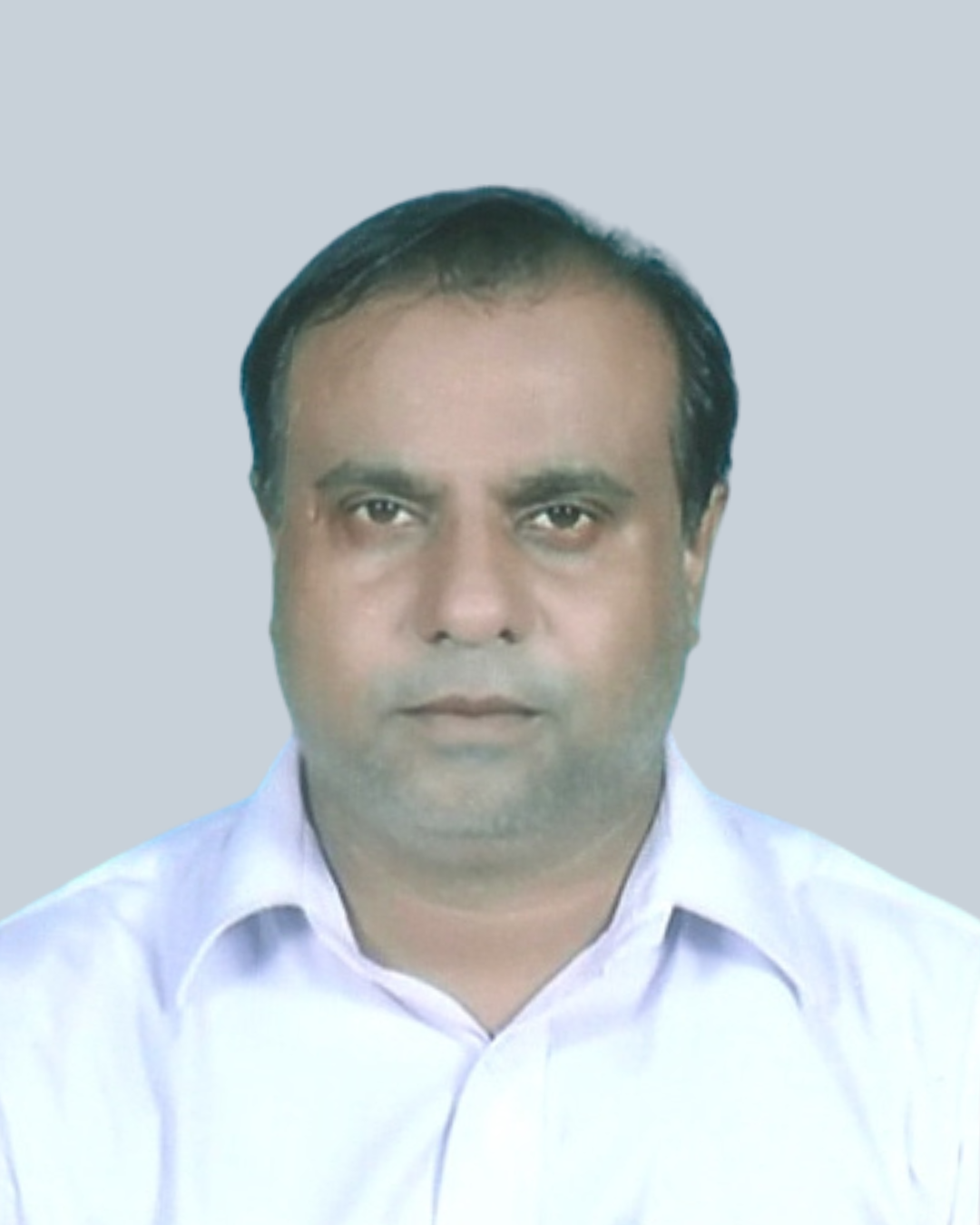
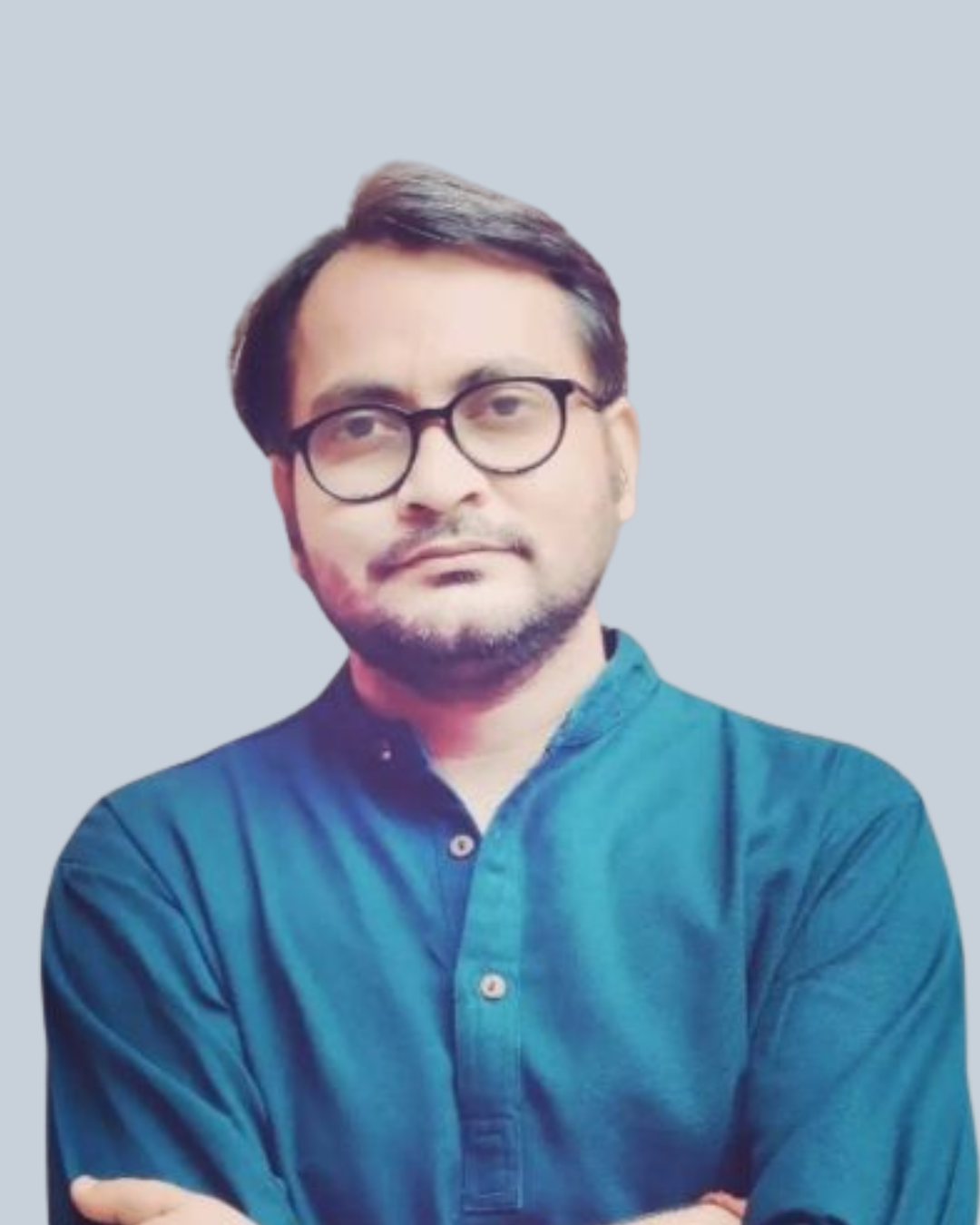
Dr. Asif Iqbal

Persian Language Scholar

Dr. Asif Iqbal, a native of District Poonch, Jammu & Kashmir, is a scholar of Persian language and literature. He obtained his M.A., M.Phil., and Ph.D. from Jawaharlal Nehru University, New Delhi, with his doctoral research focusing on “The Letters of Sadeq Hedayat”. His academic interests center on modern Persian literature, particularly the works of Sadeq Hedayat, while also engaging with classical Persian prose and poetry. Dr. Asif possesses strong translation skills in Persian, Urdu, and English, and has worked on translating classical and modern texts. He has experience in translating classical Persian texts (poetry and prose) with focus on idiomatic and stylistic beauty. He also has a strong command of the History of Iranian Literature and the History of Persian Literature in Kashmir, which form a significant part of his teaching and research. He has authored four books and published seven research papers in reputed peer-reviewed journals. He has actively participated in national and international conferences, presenting several research papers.
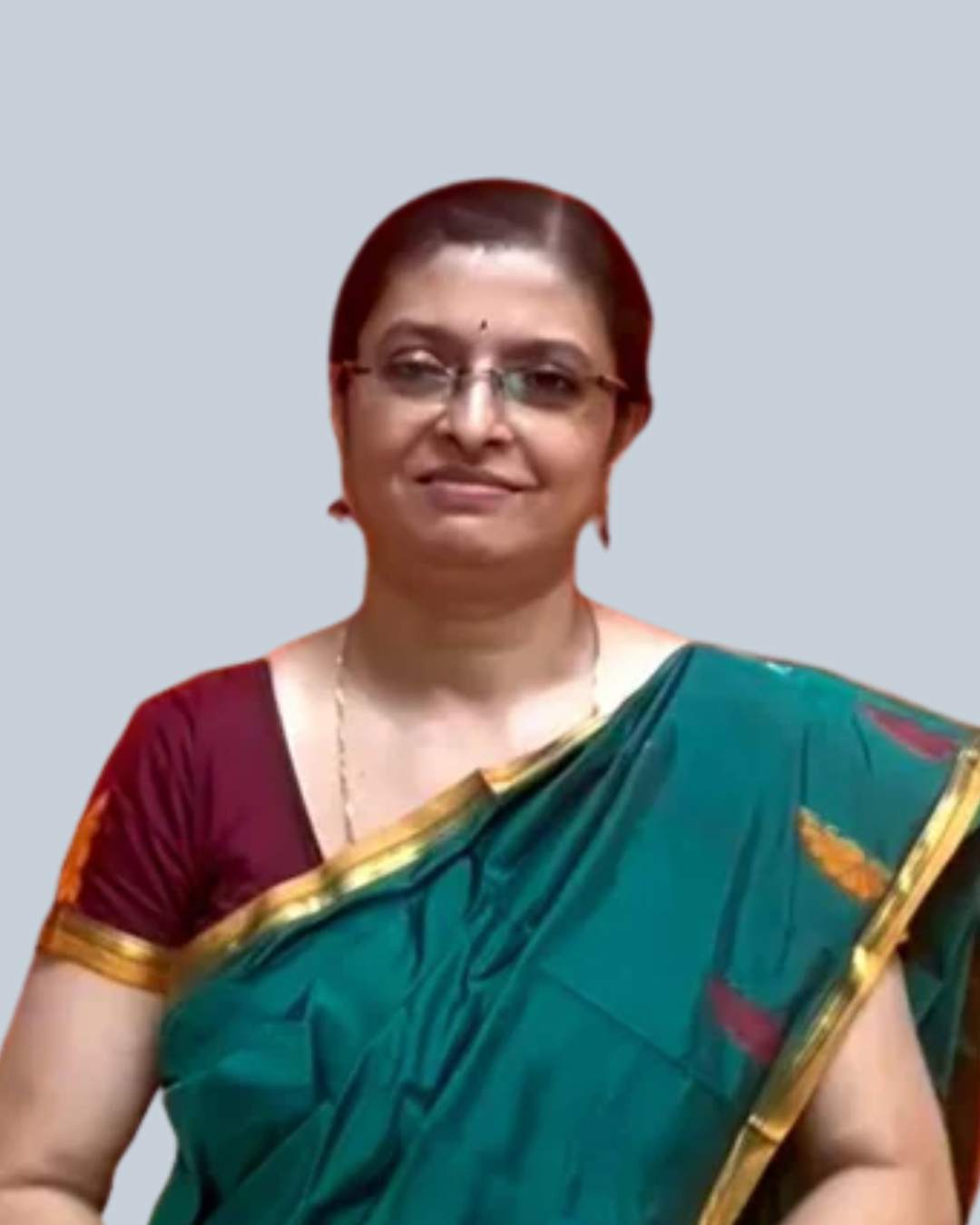
Disha Ahluwalia
Archaeologist, Columnist, and Heritage Consultant Affiliated Institution: Maharaja Sayajirao University of Baroda.
Disha Ahluwalia is an archaeologist and PhD researcher at the Maharaja Sayajirao University of Baroda, specializing in landscape archaeology, ceramic analysis, and the cultural history of protohistoric South Asia. With over a decade of hands-on field experience across the Ghaggar Basin, Uttar Pradesh, Rajasthan, and Haryana, she has served as excavation supervisor at key Harappan sites like Rakhigarhi, Binjor, and Sinauli. Passionate about making archaeology accessible, Disha regularly contributes to The Print with the aim of bringing nuanced perspectives from the trenches to the wider public. She has also curated exhibitions, participated in international research collaborations, Her academic foundation began with a B.A. in History (Hons.) from Daulat Ram College, University of Delhi, followed by an M.A. in Ancient History and Archaeology from the University of Mysore. She went on to earn a Postgraduate Diploma in Archaeology from the Institute of Archaeology, Archaeological Survey of India, where she received intensive training in excavation, documentation, pottery analysis, and conservation.She was awarded with S.P.Gupta Gold Medal in Archaeology.
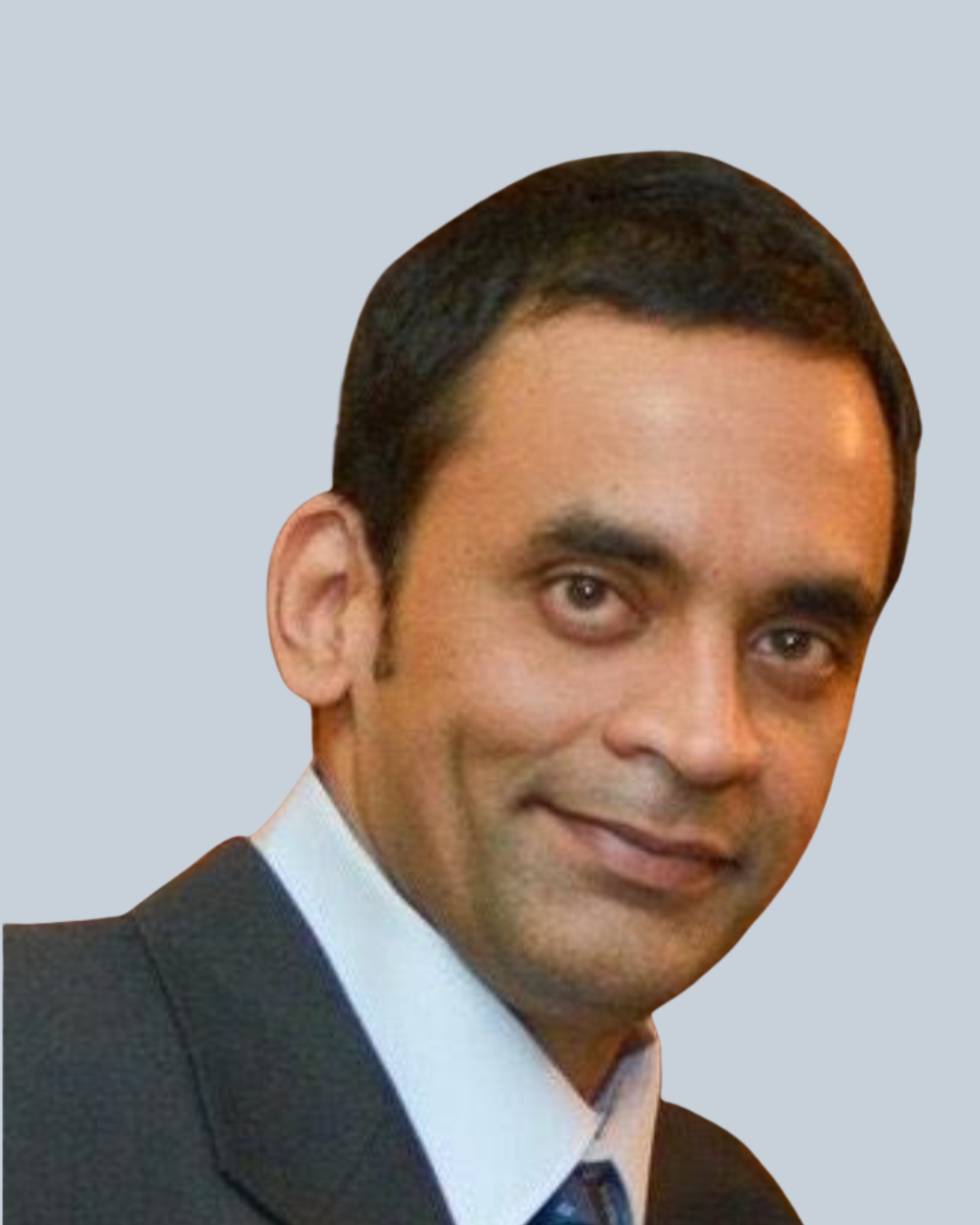
Prof. K. S. Kannan

Former Director of Karnataka Samskrit University, Bangalore and holder of the Sant Rajinder Singh Ji Maharaj Chair at IIT-Madras

Prof. K. S. Kannan, D.Litt., is a renowned Sanskrit scholar with nearly five decades of teaching and research. He served as SRSJM Chair Professor at IIT-Madras and as Director of Karnataka Samskrit University, Bangalore, and has been Academic Director of the Swadeshi Indology Conference Series. Over his career, he has taught more than 10,000 students and produced a scholarly output exceeding 10,000 pages. Author of more than thirty-five books and numerous articles in English, Kannada, and Sanskrit, his recent works include Rāmanenu Devane?, Ākhyāta-candrikā, and Yoga-tārāvalī. Honoured with titles such as Bhāratīya Vidyā Vibhūti and Vidyānidhi, he continues to contribute significantly to Sanskrit studies,Indian knowledge systems, and civilizational discourse. He is part of the Buddhism in Bharat and Aryan Invasion Myth (Aryan Migration) Projects.

Kartik Mohan
Molecular Biologist and Geneticist
Kartik Mohan serves as Senior VP, Scientific Services at 3fx, bringing extensive experience in medical visualization and scientific communication. Their background reflects a strong focus on advancing medical understanding through innovative visual solutions. During their tenure at 3fx, Kartik progressed through several key roles, including Science Director, Medical Writer, and Medical Animation Specialist. Their work history encompasses a deep involvement in the design, development, and implementation of medical animation and visualization projects for Pharma, Biotech, and Healthcare Agency clients.
Dr. Koenraad Elst

Oriental Philologist and Historian

Belgian Author Dr. Koenraad Elst obtained MA degrees in Sinology, Indology and Philosophy, and a PhD degree in Oriental Studies. He worked in political journalism, as a foreign policy assistant in the Belgian Senate, as an adjunct professor of Indo-European Studies in Indus University, Ahmedabad, but all the while also as an independent researcher and writer. He is best known for his work on the Indo-European Homeland debate and its political implications, on Hindu Revivalism and the Ayodhya affair, and on Comparative Religion. He is part of the Aryan Invasion Myth (Aryan Migration) Project.

Kushal Mehra

Author and Podcaster

Kushal Mehra is an Indo-Canadian Podcaster and author of the best-selling book “Nastik: Why I Am Not an Atheist.” This book looks at atheism in the Western world and does a comparative analysis between Western atheism and Indian Niresvarwaad. The book shows how Indian traditions have made disbelief a fundamental part of their traditional framework. This book is the intellectual answer to neo atheism that has spread like wildfire in Western society that led to the collapse of religion. It can be especially beneficial to second-generation Indian kids who have been alienated from their own community. It gives epistemic tools to talk to young Indian children who may not believe in traditional religious forms but still want to be part of the community. He leads the Aryan Invasion Myth (Aryan Migration) Project.

Dr. H.R. Meera

Sanskrit Scholar

Dr. H. R. Meera holds a Ph.D. in Cognitive Linguistics and Alaṅkāraśāstra from NIAS, Bangalore, after an earlier career in engineering and software consultancy. She has been closely associated with the Swadeshi Indology Conference Series, editing and co-editing several volumes such as Karnāṭaka Śāstrīya Saṅgīta, Chronology and Causation, and Swadeshi Critique of Videshi Mīmāṁsā. Her publications include translations of Śrāddha-Pitṛpūjā and collaborations with Prof. K. S. Kannan on works such as Śrī Rāma Saṅkīrtanam and Vibhinnate. She has also worked with Dr. Vikram Sampath on Waiting for Shiva and ongoing research on Buddhism. Her articles relating to our heritage and values have appeared in various Kannada dailies. Her scholarly interests span Sanskrit poetics, cultural continuity, and civilizational studies. Dr. H.R. Meera is the Series Editor for the Buddhism in Bharat Project. She is also part of the Aryan Invasion Myth (Aryan Migration) Project.

Ven. Dr. Pooja Dabral

Assistant Professor,
School of Buddhist Studies, Philosophy and Comparative Religion.
School of Languages and Literature/Humanities, Nalanda University

Ven. Dr. Pooja Dabral is an Assistant Professor at the School of Buddhist Studies, Philosophy and Comparative Religion, as well as the School of Language, Literature, and Philosophy at Nalanda University. She earned her Ph.D. from the University of Delhi for her thesis titled Arya Nagarjuna’s Philosophy of Emptiness and Je Tsongkhapa’s Exposition: Dissent in Two Prolific Periods. Her research focuses on Madhyamaka Philosophy and Buddhist Psychology, and she has published extensively on topics such as Emptiness (Shunyata), Mind and Cognition in Buddhist Psychology, and Form and Substance in Buddhist Philosophy. She has also collaborated on publications with Tibet House, Delhi, including The Blaze of Non-Dual Bodhicitta Buddhist Psychology. She is part of the Buddhism in Bharat Project.

Dr Ravi Khangai

Associate Professor and Head of the Department of History and Archaeology at the Central University of Karnataka.

Dr Khangai brings a rich and varied background—having served in the Indian Air Force, the Navodaya Vidyalaya Samiti, and RTM Nagpur University—alongside deep academic expertise in Indian religious traditions. His doctoral work focused on the Marathi Bhakti tradition, and his current research explores the Mahabharata.

At FIHCR, Dr Khangai will be a Senior Research Fellow for 2025–26 for his project, Ecodharma in the Mahabharata. He will be working closely with our Research team over the coming year.

Dr. Pranshu Samdarshi

Assistant Professor,
School of Historical Studies &
School of Buddhist Studies, Philosophy & Comparative Religions, Nalanda University

Dr. Pranshu Samdarshi is an Assistant Professor at the School of Historical Studies and the School of Buddhist Studies, Philosophy & Comparative Religions at Nalanda University. His research specializes in the history and literature of Tantra traditions in Southern Asia and Tibet. He earned his Ph.D. in History from the University of Delhi, where his doctoral thesis explored the dynamic relationship between sacred feminine imagery and Buddhist Tantra practices. He also holds an M.A. and an M.Phil. in Buddhist Studies, along with a Diploma in Pali from the University of Delhi. He is part of the Buddhism in Bharat Project.

Dr. Tosabanta Padhan

Archaeologist and Teaching Fellow at Nalanda University.

The Buddhism in Bharat project will also benefit from the expertise of Dr. Tosabanta Padhan, an archaeologist and Teaching Fellow at Nalanda University. Dr. Padhan has conducted fieldwork, stone tool analysis, and experimental flintknapping at institutions in India, Europe, and Africa. He has a Ph.D. in Archaeology from Deccan College, Post-Graduate & Research Institute, Pune and holds Master’s degrees from Sambalpur University and the University of Trás-os-Montes and Alto Douro, Portugal. His research interests include Field Archaeology. Prehistoric Archaeology. Experimental Lithic Knapping, Rock Art, Ethnoarchaeology, Early Historic Archaeology. Digital Archaeology, and Remote Sensing application in Archaeology.

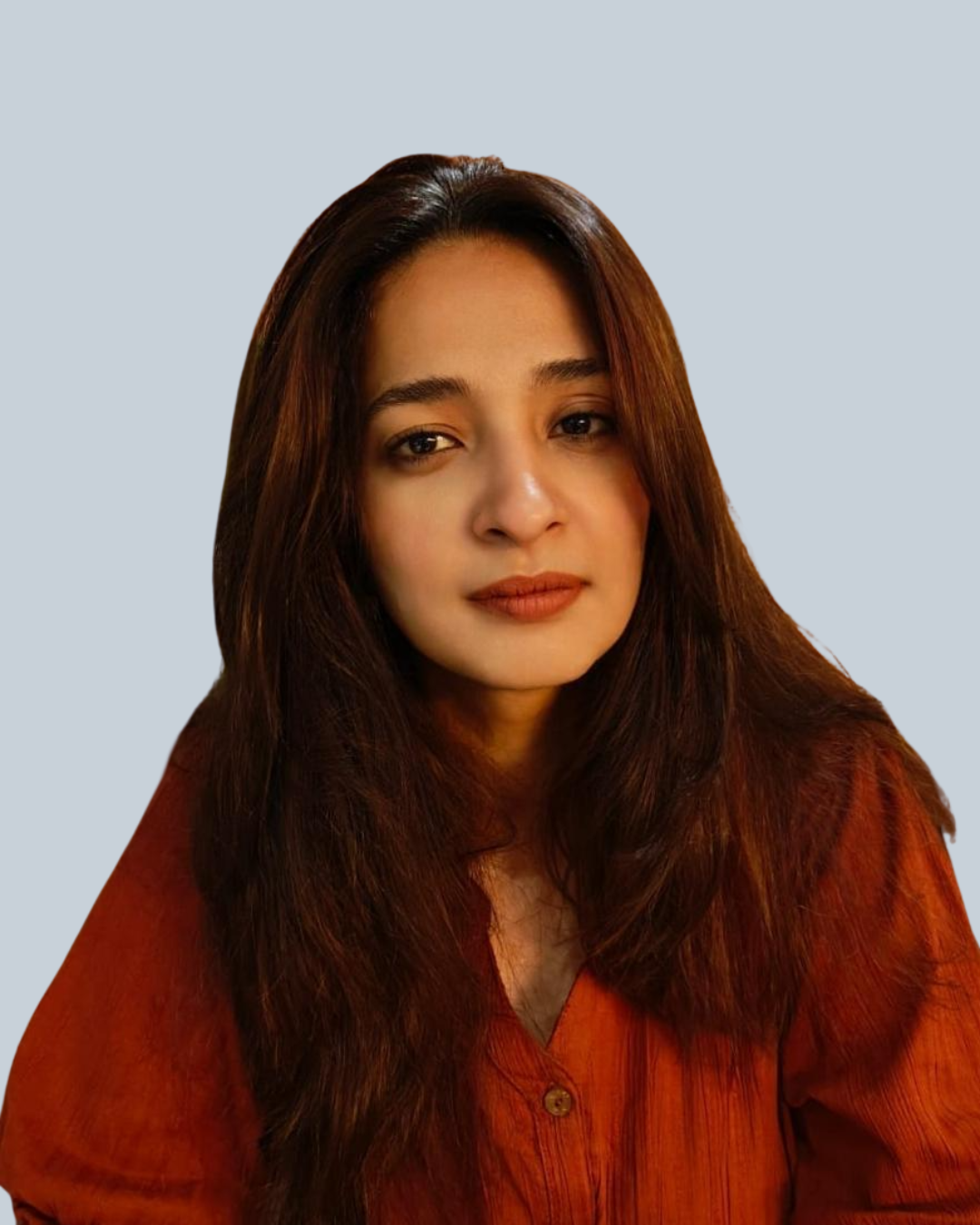
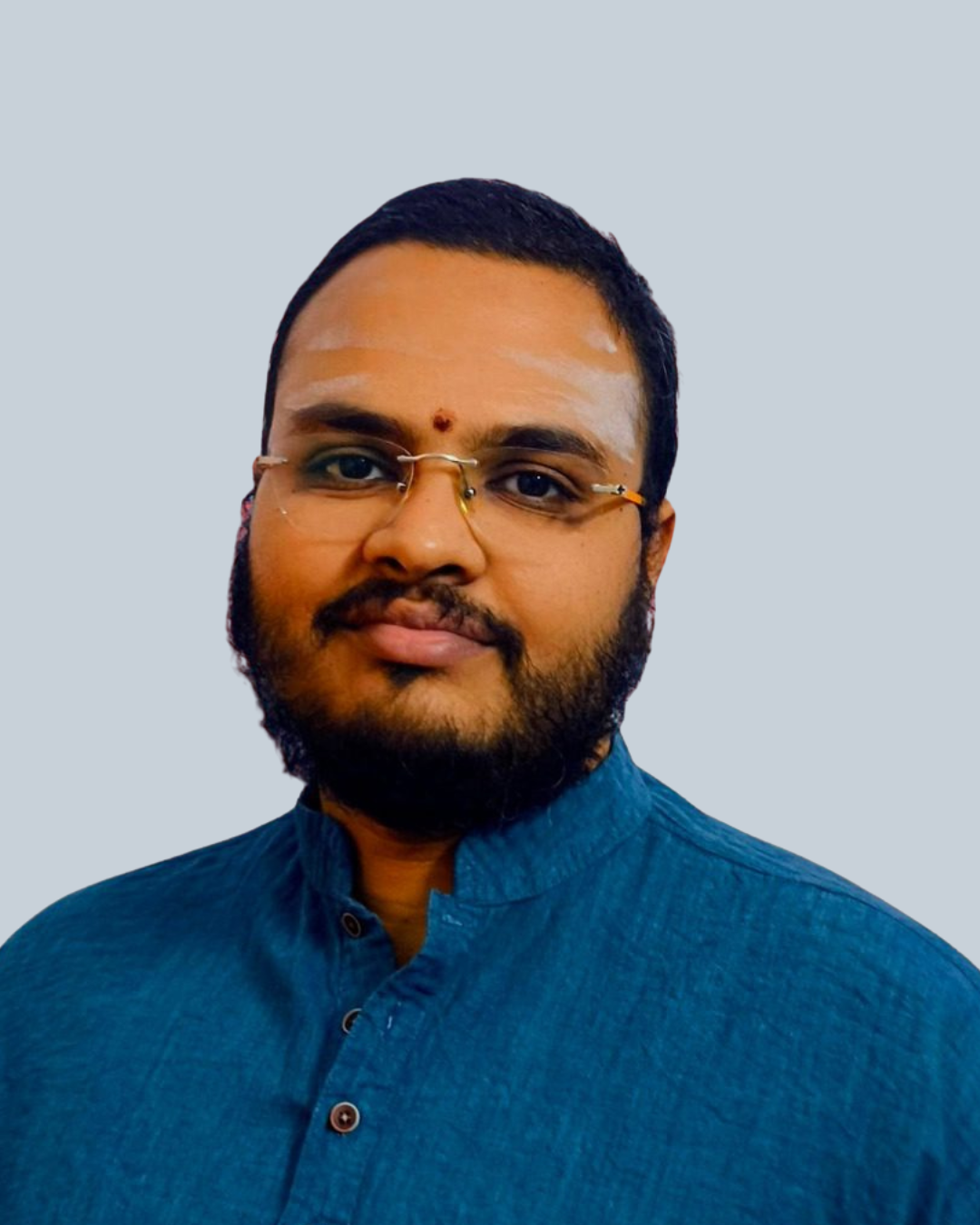
Vatsala Hali

Program Director – CXXO

Leading the CXXO program at Kalaari Capital is both a challenging and rewarding experience. Female founders often lack the support they deserve, and through this program, it’s a privilege to provide them with the backing they need. Being part of an initiative that genuinely supports women entrepreneurs is incredibly fulfilling.

Vatsala is the Program Director of CXXO at Kalaari. She is a seasoned media professional with over 10 years of experience in the industry. In her previous role at the Ola Group, Vatsala was responsible for developing and implementing effective PR and communication strategies, positioning senior management personnel as industry thought leaders, and highlighting Ola’s reputation as a leading global consumer internet company and a great place to work. Prior to this, Vatsala worked as a Project Manager at McCann Worldgroup, leading marketing communication for McCann’s key accounts such as Nestle, Dabur, Omron, and Greenlam Industries.

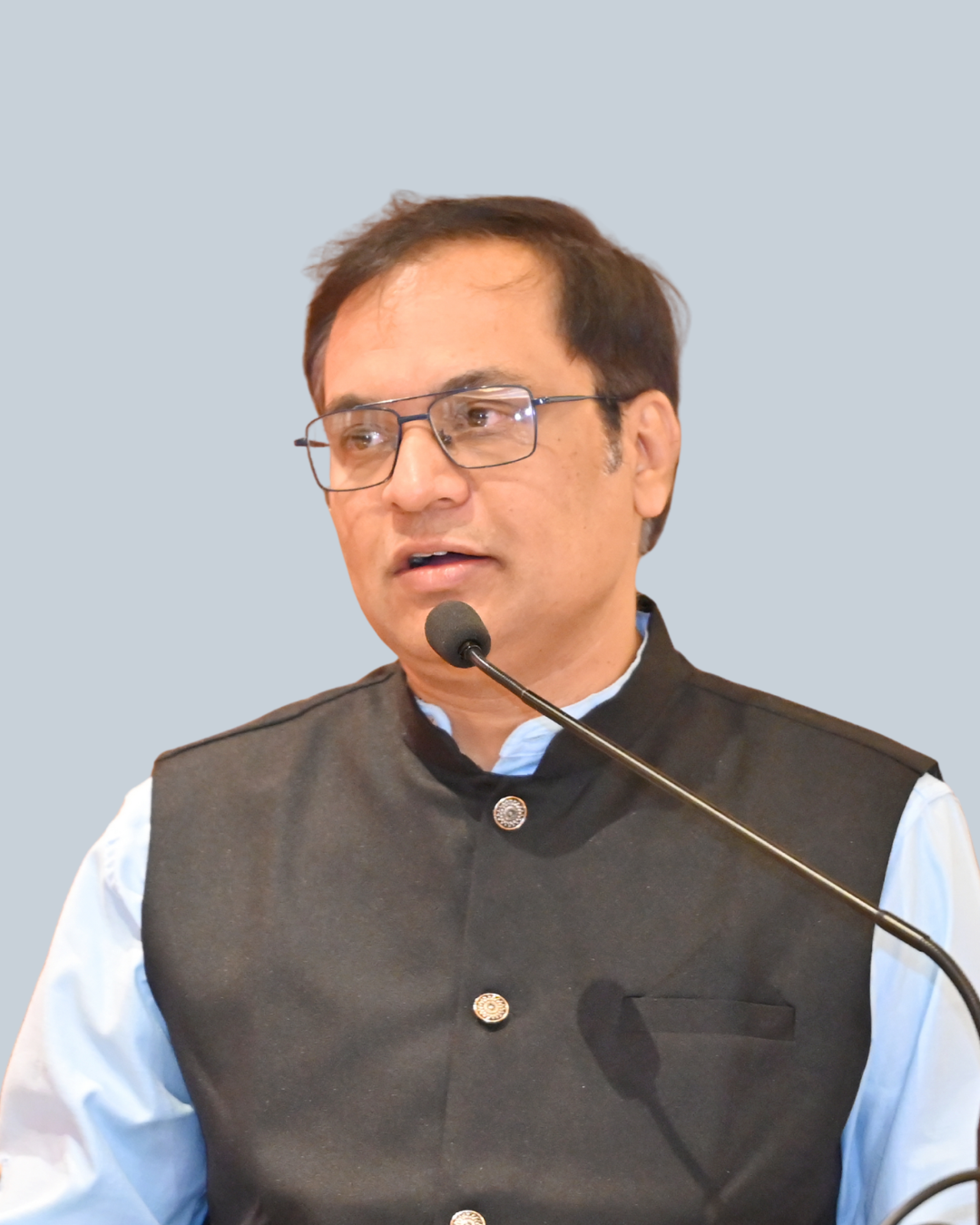
Dr Anurag Shukla
Director – IKS Education & Public Policy
Dr Anurag Shukla is the Director of Policy and Education with Brhat and a CPID-ISDM fellow. He is also the co-founder of Localism, an initiative focused on fostering community-driven development, and a visiting faculty member at the Tata Institute of Social Sciences (TISS-Mumbai). He holds a PhD from the Indian Institute of Management Ahmedabad (IIMA), an MPhil from Delhi University, and a master’s degree from Azim Premji University. He has previously worked with organisations such as the Azim Premji Foundation, Pratham, the Centre for Advocacy and Research, Times Group, and Business Standard. Additionally, he has been a J-PAL Research for Impact (RFI) fellow and a Reimagining Migration fellow, enriching his multidisciplinary expertise.
Dr Gautam Jantakal
Numismatist and Independent Researcher
Dr Gautam Jantakal is an Independent Researcher, eminent Numismatist, and scholar of History and Archaeology with over a decade of experience in research, teaching, and heritage documentation. He holds an M.A. in Numismatics and Archaeology, a PhD in History and Archaeology from Kuvempu University. He also possesses a Postgraduate Diploma in Manuscriptology and Palaeography and a Diploma in Karnatakalogy. A specialist in South Indian numismatics, particularly the coinage of the Rashtrakutas, Satavahanas, Chalukyas, and other early medieval dynasties, Dr Jantakal has authored the book History and Coinage of the Rashtrakutas and numerous research articles published in leading numismatic journals and conference proceedings. He serves as a freelance Numismatics Consultant and Resource Person at Karnataka State Open University, and regularly delivers lectures, workshops, and training programs on history, archaeology, epigraphy, palaeography, manuscript studies, and ancient scripts. Dr. Jantakal is a member of several prestigious numismatic societies in India and abroad and is widely recognized for his contributions to the study, preservation, and interpretation of India’s numismatic and cultural heritage.
Dr Kaushalendra Singh
Assistant Professor in the Department of Buddhist Studies at Satyawati Evening College, University of Delhi
Dr Kaushalendra Singh is an Assistant Professor in the Department of Buddhist Studies at Satyawati Evening College, University of Delhi. A scholar of Buddhist traditions, Pali, and Ancient Indian polity, he completed his Master’s in Buddhist Studies from the University of Delhi. Subsequently, he undertook postdoctoral research supported by the Indian Council of Social Science Research (ICSSR) on democratic thought in Vedic and Buddhist literature and its contemporary relevance. Dr Singh has presented papers at numerous national and international conferences, including the Dharma Dhamma International Conference, the Asian Philosophical Congress, and the Global Hindu Summit. His research spans Buddhist philosophy, Indian intellectual traditions, environmental thought, consciousness studies, and Indic approaches to education and social harmony. He has also published extensively in academic journals and has actively contributed to scholarly discourse through conferences, workshops, webinars, and public engagement initiatives. In addition to his academic work, Dr Singh has organised and anchored several national and international webinars on Indian philosophy, Buddhism, and civilisational thought. He is also the author of Nature’s Wisdom: Indian Philosophical Insights, reflecting his continuing engagement with the application of Indic knowledge traditions to contemporary challenges.
Dr Lakshmeesha Hegde Sonda
Historian and Author
Dr Lakshmeesh Hegde Sonda is a noted historian, epigraphist, author, and academic administrator whose research has significantly contributed to the study of Karnataka’s historical and cultural heritage. He currently serves as the Principal of Royal College, Bengaluru, and is widely recognised for his scholarship on the Kadamba dynasty, the Vijayanagara Empire, and the epigraphic traditions of South India. With a strong grounding in historical methodology and inscriptional studies, Dr Hegde has devoted considerable attention to the interpretation of Kannada and Sanskrit inscriptions, using epigraphic evidence to reconstruct the political, social, and cultural history of the Deccan. He is among the three historians from South India selected for the prestigious Tagore National Fellowship Committee, New Delhi. A prolific scholar and public intellectual, Dr Hegde has authored 15 books and published more than 400 research and popular articles. His acclaimed work, Shaasana Loka, has helped popularise the study of inscriptions among students and history enthusiasts. He is a regular panellist on leading Karnataka satellite television channels, where he discusses historical and cultural issues. In addition, he serves as the Honorary Editor of the coffee-table books published by Vikrama Magazine, helping promote Bharat’s rich historical and cultural legacy.
Dr Smita P. Surebankar
Former Principal & Head, Dept. of History, Rani Parvati Devi College, Belgaum, Karnataka
Dr Smita P. Surebankar is a distinguished historian, heritage researcher, and academic from Karnataka, widely recognised for her pioneering field-based studies on the history, archaeology, and architectural heritage of the Belagavi (Belgaum) region. She served as the Principal and Head of the Department of History at Rani Parvati Devi (RPD) College of Arts and Commerce, Belagavi, where she played a significant role in promoting local history, heritage awareness, and community-based historical research. She holds a Master’s degree in History and Archaeology and earned her PhD from Karnatak University, Dharwad, with a dissertation titled Halasi: A Study, focusing on the historical development of one of Karnataka’s important early medieval centres. Her research interests include regional history, archaeology, architectural heritage, memorial monuments, and cultural landscapes. She has led and completed several UGC-funded research projects, including studies on the memorial monuments and architectural heritage of the Belagavi region, as well as large-scale documentation of archaeological and historical antiquities. Dr Surebankar is also the author of Architectural Splendours of Belagavi, a landmark work documenting the district’s rich built heritage. Through lectures, field study, publications, and public outreach initiatives, she has made significant contributions to the preservation and popularisation of Belagavi’s historical legacy.
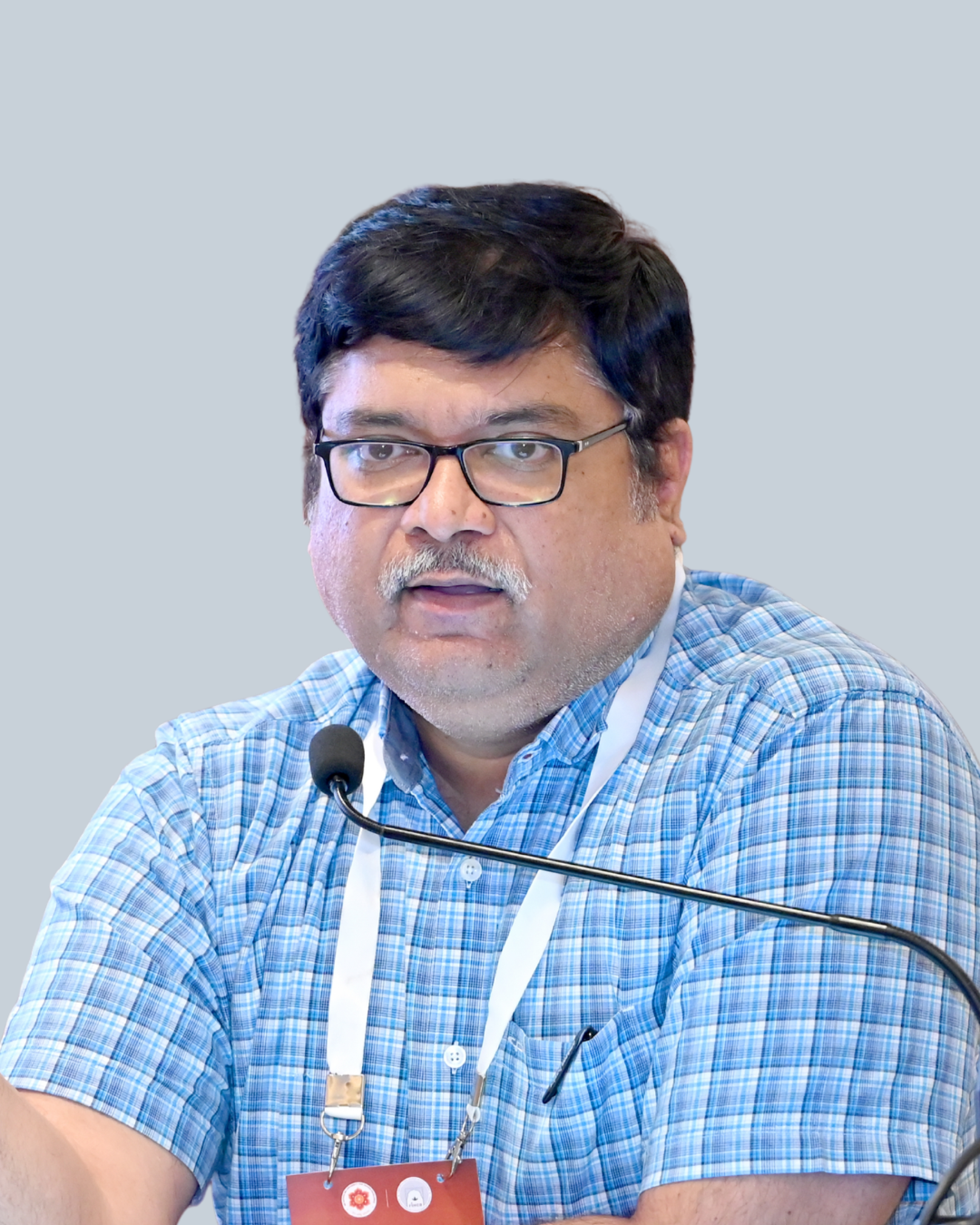
Dr Srinivas Jammalamadaka
Director – IKS Research
A distinguished scholar of Indian philosophy and śāstric traditions who has studied Nyāya (Tarka Śāstra) under Śrī A. Radhe Shyama Shastri garu, Advaita Vedānta under Śrī R. Mani Dravida Sastrigal, and Vyākaraṇa under Śrī Ganti Dattatreya Murthy. He has completed the Tenali examinations in Tarka Śāstra and Advaita Vedānta, and holds an MPhil and PhD in Nyāya Śāstra. He has served as Assistant Professor and Director of the School of Śāstric Learning at Kavikulaguru Kalidas Sanskrit University, Ramtek, and as Scholar for IKS courses at Siddhanta Knowledge Foundation
Dr Vandana Sharma
Assistant Professor Department of Philosophy at Zakir Husain Delhi College
Dr Vandana Sharma is an Assistant Professor in the Department of Philosophy at Zakir Husain Delhi College, University of Delhi, and a Former Resident Research Fellow on Atharvaveda at the Indian Institute of Advanced Study (IIAS), Shimla. A scholar of Indian metaphysics and consciousness studies, her research spans Advaita Vedānta, Śaivism, Yoga philosophy, pramāṇa-śāstra, the Upaniṣads, and the interface between Indian philosophy and contemporary science. She has held the ICSSR Postdoctoral Fellowship (on Ādi Śaṅkarācārya’s Prakaraṇagranthas) and the ICPR Junior Research Fellowship (on Śaṅkara Vedānta and environmental harmony). She is the author of five books, published by Motilal Banarsidass, Chaukhambā Sanskrit Prakashan, and Cambridge Scholars Publishing, and twenty-eight research papers in Scopus-indexed and international journals. Her monograph on Śaṅkara Vedānta and ecological ethics received the Svāmī Praṇavānanda Book Award and was commended by the former Vice President of India. She served as Principal Researcher for the Kedārnāth Dhāma project under the Prime Minister’s Dvādaśalinga initiative, earning recognition from the Ministry of Culture, and has represented India at the World Congress of Philosophy in Greece, China, and Rome. At FIHCR, Dr Sharma has contributed to the ongoing project on Buddhism, bringing her interdisciplinary expertise in Indian philosophical traditions to the study of Buddhist thought.
Prof. Basavaraja Kodagunti
Director, Central Institute of Indian Languages, Mysuru
Prof. Basavaraja Kodagunti is a noted linguist and Director at the Central Institute of Indian Languages (CIIL), and previously served as Head of the Department of Kannada at the Central University of Karnataka, Kalaburagi (CUK), where he also coordinated the Centre for Endangered Languages and the Department of Linguistics. He holds a doctorate from the University of Mysore on the historical development of case markers in Kannada, and his research spans Kannada and Dravidian historical linguistics, sociolinguistics, language documentation, Indian Grammatical Traditions, and endangered and minor languages such as Koracha and Korava. He has authored and edited around 60 books, including the multi-volume Haydarabada Karnataka series and the Kannada Araypu research-thesis series, and has published over eighty papers in national and international journals. He has supervised numerous doctoral and M.Phil dissertations, served as editor of the UGC-CARE journal Aniketana, and presented his work at international forums, including conferences of the Linguistic Society of India and South Asian Language Analysis. His honours include the Ha. Ma.Na Prashasti for linguistics works and a Bhasha Fellowship from the Bhasha Research Institute, Baroda. He is currently contributing to Kadambas and The Making of Karnataka, a research project jointly conducted by Sri Satya Sai University of Human Excellence and FIHCR.
Prof. R.M. Sadaksharaiah
Archaeologist and retired Professor of History and Archaeology at Karnatak University, Dharwad
Prof. R. M. Sadaksharaiah is a distinguished archaeologist, historian, and former Professor of History and Archaeology at Karnatak University, Dharwad. With over five decades of dedicated research and fieldwork (1976-2026), he has made pioneering contributions to the study of Karnataka’s archaeology, epigraphy, art, architecture, and cultural history. He has conducted archaeological explorations in more than 2,800 villages across Karnataka, Andhra Pradesh, and Maharashtra, leading to the discovery and documentation of numerous prehistoric, protohistoric, early historic, and medieval sites, inscriptions, temples, forts, coins, monasteries, memorial stones, mosques, and other heritage remains. Prof. Sadaksharaiah directed and participated in several important excavations, including the landmark excavations at Halasi, the second capital of the Kadambas of Banavasi (2005–2011), and at Kuntidibba, Hanagal (2013-2014). He has authored 23 books and over 225 research articles and has successfully guided 12 PhD and 12 M.Phil. scholars. His research spans the history of the Kadambas, Kalyani Chalukyas, regional dynasties, monasteries, samsthanas, and memorial stone traditions. He served for over 18 years as Director of the Kannada Research Institute at Karnatak University and has received international recognition, including a UNESCO scholarship for advanced training in rock-art research and conservation in Italy. His scholarship has significantly enriched the understanding of Karnataka and South Indian history and heritage.